
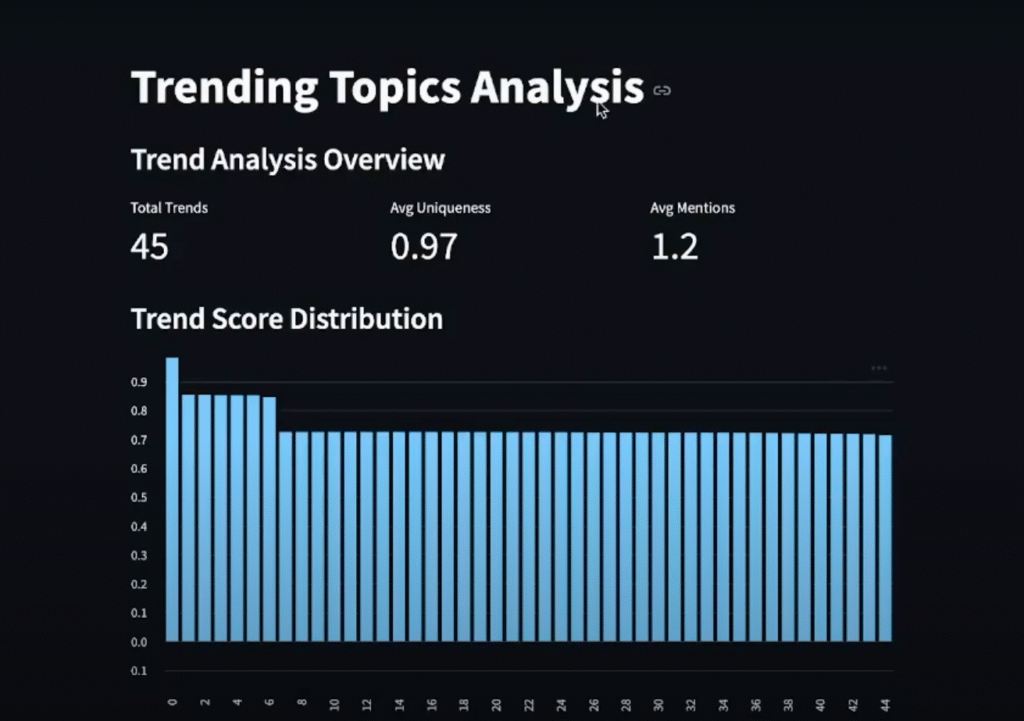
Trends rarely emerge on their own. They are shaped by industries, media influence, technological shifts, and public psychology. What appears to be a natural rise of ideas is often a carefully constructed narrative supported by powerful systems. In modern society, trends spread faster than facts, and popularity is often mistaken for importance. Opinion and analysis help challenge this illusion by examining the deeper motivations behind what becomes popular and why certain conversations dominate public attention. Understanding trends is not about accepting them blindly; it is about recognizing the forces that create them and the consequences they leave behind.
Trend Fatigue: Why Everything Feels Important but Nothing Lasts
One of the most noticeable realities of modern culture is the speed at which trends appear and disappear. Every day, new concepts dominate discussions, capture attention, and then vanish without leaving meaningful impact. This rapid cycle creates a sense of urgency where people feel pressured to stay updated constantly. Over time, this leads to mental exhaustion and reduces the ability to focus on long-term goals. The human brain struggles to process continuous change, yet digital culture encourages constant consumption of new ideas. As a result, individuals and organizations often chase trends instead of building sustainable strategies. The truth is that when everything is treated as urgent and important, genuine progress becomes difficult to identify and maintain.
Innovation Without Direction Is Not Progress
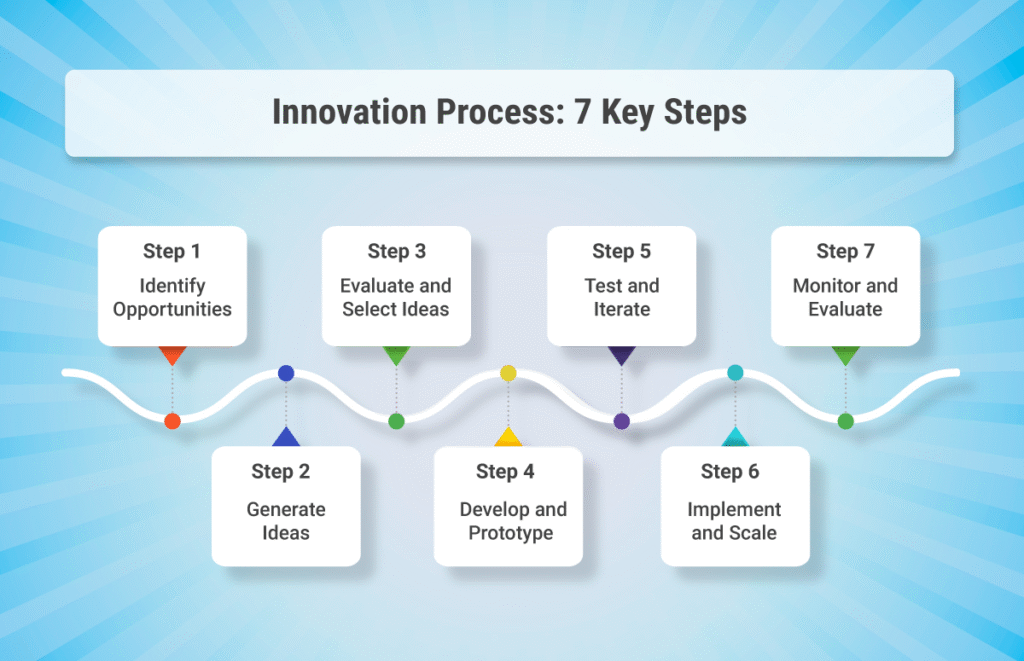
Innovation is widely celebrated as the symbol of growth and advancement, but innovation without purpose can create confusion rather than improvement. New technologies, digital platforms, and modern systems are introduced rapidly, often before understanding their long-term consequences. Many organizations prioritize speed over responsibility, focusing on being first in the market rather than being thoughtful in development.
Experts and analysts highlight several hidden concerns within uncontrolled innovation:
- Rapid product launches sometimes ignore ethical and social impact
- Lack of regulation allows misuse of powerful technologies
- Innovation driven by competition often sacrifices user safety
- Short-term success is prioritized over long-term sustainability
The deeper truth is that innovation alone does not guarantee progress. Progress requires direction, responsibility, and accountability. Without these elements, innovation can easily create new challenges while trying to solve existing ones.
The Economy of Perception: Image Is Winning Over Substance
Modern success is increasingly influenced by perception rather than performance. Businesses invest heavily in branding, storytelling, and visual presentation, sometimes more than actual product development. Social media has accelerated this transformation by rewarding content that attracts attention rather than content that delivers value. Public opinion is shaped by what is seen frequently rather than what is verified carefully.
Several key factors explain the rise of perception-driven economies:
- Social media algorithms promote popularity over credibility
- Marketing narratives influence public trust more than real outcomes
- Personal branding is becoming more powerful than institutional reputation
- Viral visibility often replaces measurable performance
The uncomfortable reality is that perception-driven growth can distort priorities. Organizations and individuals may focus more on appearing successful rather than creating meaningful contributions. Over time, this weakens trust and reduces authenticity in professional and social environments.
Data Everywhere, Understanding Nowhere
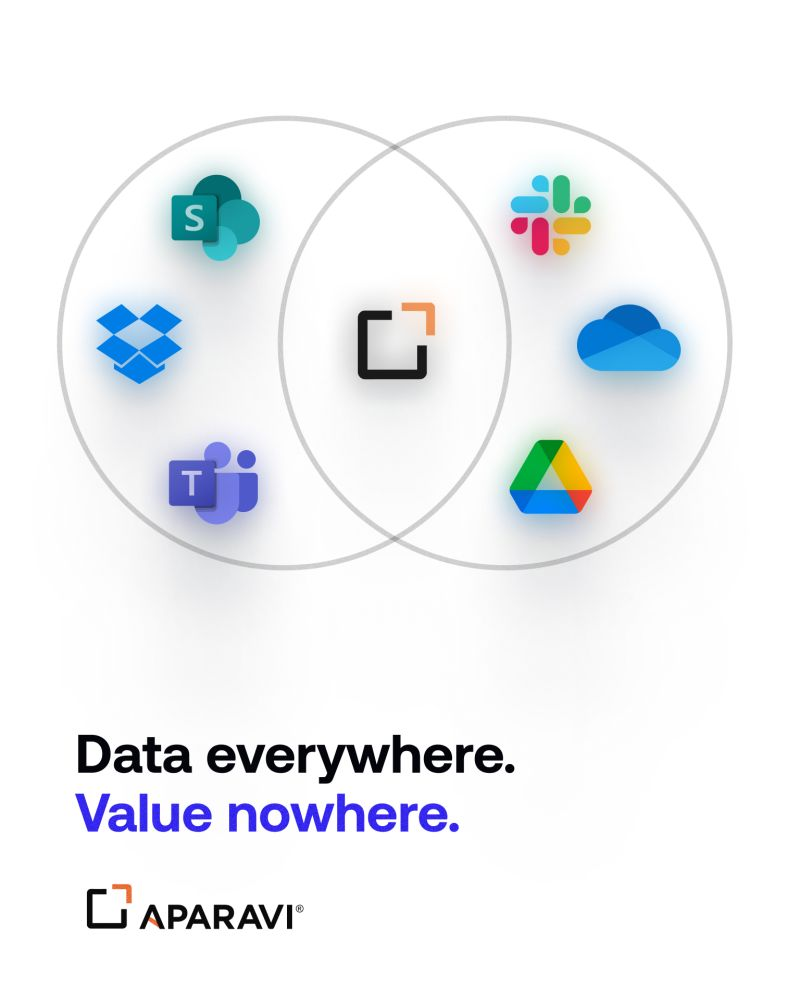
Modern society has access to more information than any generation before it. Statistics, analytics, and performance metrics are used in almost every industry. However, access to data does not automatically create understanding. Numbers are often presented without context, interpretation, or balanced perspective. Data is frequently selected to support existing opinions rather than to explore unbiased conclusions.
Analysts identify several challenges connected to excessive reliance on data without clarity:
- Selective use of statistics can manipulate public perception
- Complex data is often simplified incorrectly for quick communication
- Organizations focus on numbers while ignoring human experience
- Decision-making sometimes prioritizes data trends over ethical considerations
The truth is that data should guide decisions, not dominate them. Without interpretation and context, data can mislead rather than inform. Genuine understanding requires both analytical thinking and human judgment.
Individual Choice Is Shrinking Quietly
Modern trends are often presented as symbols of empowerment and personal freedom. Consumers are offered endless choices through digital platforms, personalized recommendations, and algorithm-based services. However, these systems quietly influence decision-making by controlling what people see, read, and purchase. While options appear unlimited, actual exposure to alternatives is often restricted.
Convenience plays a major role in this transformation. People naturally prefer faster, easier decisions, which encourages reliance on automated suggestions. Over time, independent exploration decreases. The deeper concern is that individuals may believe they are making free choices while unknowingly following patterns shaped by technology and corporate interests. This silent reduction in independent thinking represents one of the most overlooked consequences of modern digital trends.
Silence as a Strategy
Not every trend is loud or visible. Some of the most powerful social and economic changes happen through silence. Important topics are sometimes avoided because they challenge existing systems or create discomfort. Organizations, institutions, and media platforms occasionally choose neutrality to avoid controversy, but this neutrality often protects existing power structures. Silence allows certain problems to remain hidden while public attention is directed toward safer or more entertaining topics. Over time, ignored issues grow more complex and difficult to address. Silence, therefore, becomes a strategic tool that influences public awareness without openly controlling it.
The Cost of Always Being “Right”
Modern communication encourages fast opinions and strong certainty. Social media platforms reward confidence and quick responses, discouraging thoughtful discussion and open questioning. People often present opinions as final conclusions rather than evolving perspectives. This creates environments where debate is replaced by conflict, and learning is replaced by defending personal beliefs. Complex global challenges require flexibility, curiosity, and willingness to accept uncertainty. When societies prioritize being correct over being informed, intellectual growth slows down. The ability to change opinions based on new evidence is becoming rare, even though it is essential for progress.
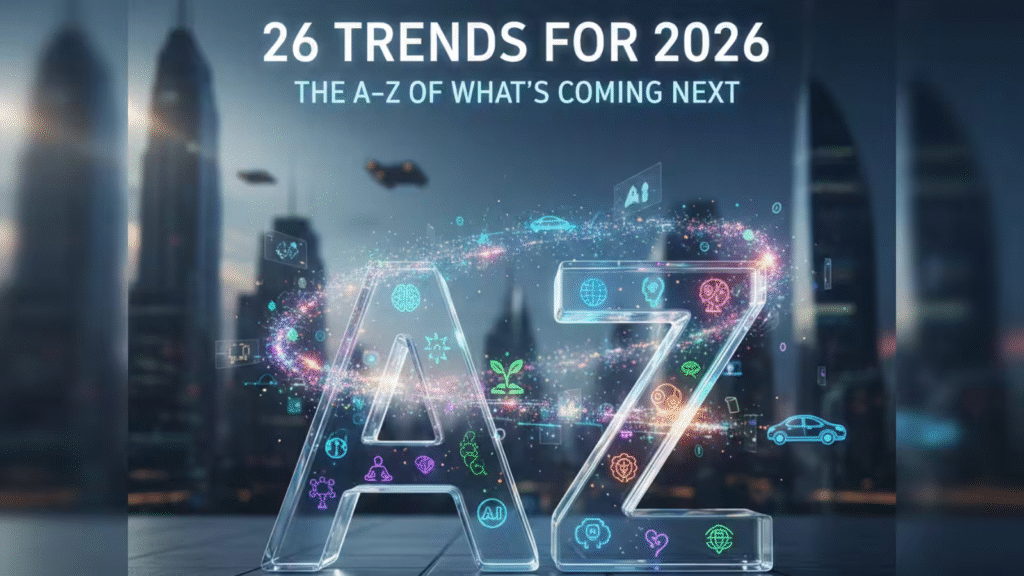
What’s Trending in 2026: Latest Stories, Viral Topics & Internet Trends
The internet moves faster than ever in 2026. A topic can go from a small…

The New Internet Culture: What’s Trending in the Digital World
Let’s be honest for a second: open any social media app today, and within five…

15 Technology Trends & Insights to Watch in 2026
We aren’t just seeing one isolated breakthrough here or there. Instead, these systems are bumping…

Opinion & Analysis: Expert Views on the Biggest Trends of 2026
We have all felt that distinct, dizzying sensation of waking up on a Tuesday Opinion…

Nvidia Earnings 2026: Investors Look Beyond AI Chips for New Growth
The conversation surrounding Nvidia is quietly undergoing a fundamental shift. For Nvidia years, the story…

AEO and GEO 2026: The Ultimate Guide to AI Search Optimization
For years, the game plan for getting noticed online was simple, if a bit mechanical:…
Conclusion:
Trends are powerful indicators of change, but they are not automatic solutions. They reflect collective behavior, economic interests, and technological evolution. Opinion and analysis provide the necessary distance to evaluate whether trends create real progress or temporary excitement. Blindly following trends can lead to wasted resources and misunderstood priorities. True growth comes from studying trends carefully, questioning their purpose, and selecting only those that create meaningful and lasting value. In a fast-moving world, thoughtful reflection remains the strongest form of intelligence.
Disclaimer: This article is intended for informational and analytical purposes only. The views expressed are based on observation, interpretation, and general analysis of current trends. They do not represent professional, legal, financial, or policy advice. Readers are encouraged to conduct their own research and consider multiple perspectives before forming conclusions or making decisions based on this content.
#OpinionAndAnalysis #BigTrends #CriticalThinking #EditorialView #TrendAnalysis #MediaLiteracy #ThoughtLeadership #PublicDiscourse #FuturePerspectives #InDepthAnalysis#Carrerbook#Anslation.