
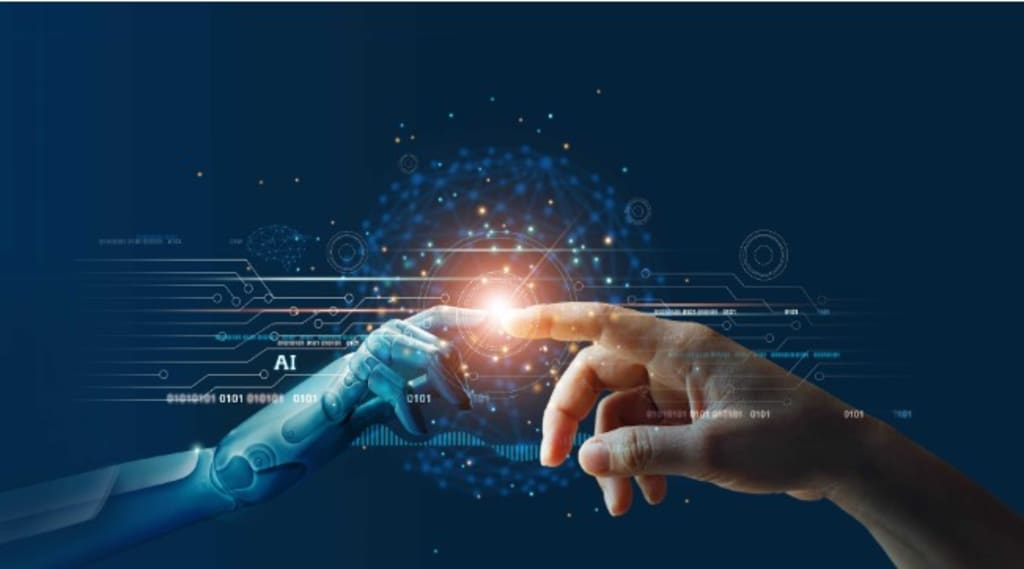
Artificial Intelligence (AI) is no longer a futuristic concept confined to the pages of sci-fi novels or Hollywood blockbusters. It is here, right now, quietly transforming the exact way we live, work, and connect with the world around us. From the smart assistants waking us up in the morning to the complex algorithms predicting global weather patterns, AI has woven itself into the very fabric of modern human society.
As this technology accelerates at a breathtaking pace, it brings a fascinating mix of unprecedented opportunities for human progress alongside deep, structural challenges that we cannot afford to ignore. We are living through a historical pivot point, and understanding how to navigate this new landscape is the most important skill of our generation.
Incredible Opportunities: How AI Is Elevating Humanity
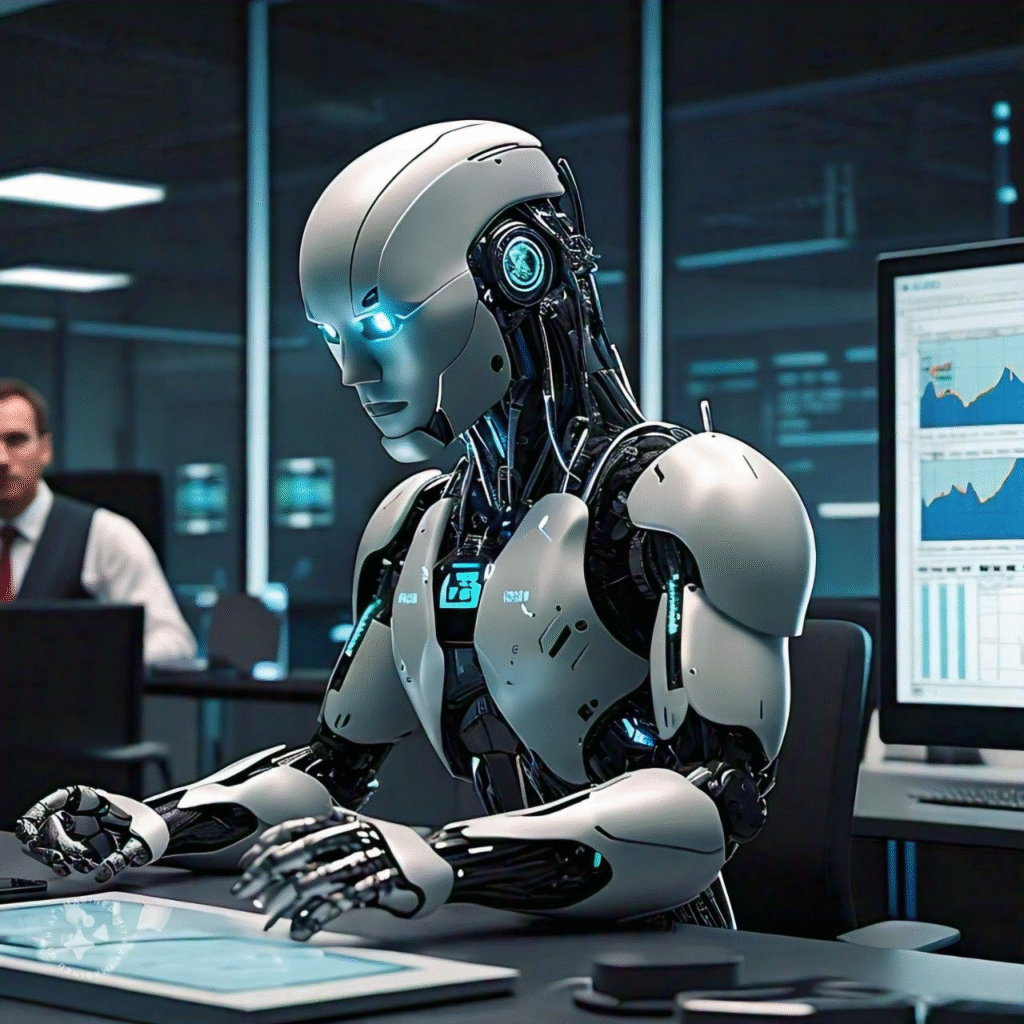
The true value of artificial intelligence lies in its ability to amplify human capability. By processing vast oceans of data in seconds, AI allows us to solve problems that used to take years of manual labor, making our world far more efficient, accurate, and accessible.
                  ┌──────────────────────────────────────────┐
                  │      FOUR FRONTIERS OF HUMAN PROGRESS    │
                  └────────────────────┬─────────────────────┘
                                       │
         ┌─────────────────────────────┼─────────────────────────────┐
         ▼                             ▼                             ▼
┌──────────────────┐          ┌──────────────────┐          ┌──────────────────┐
│    HEALTHCARE    │          │    EDUCATION     │          │    BUSINESS      │
├──────────────────┤          ├──────────────────┤          ├──────────────────┤
│ • Micro-tumor scan│          │ • Custom pacing  │          │ • Zero grunt work│
│ • DNA drug match │          │ • Constant tutor │          │ • Instant trends │
│ • Early warnings │          │ • Less paperwork │          │ • 24/7 help desk │
└──────────────────┘          └──────────────────┘          └──────────────────┘
1. Revolutionizing Healthcare
In the medical field, AI is stepping up as a doctor’s ultimate second pair of eyes. By reviewing millions of historical health records and medical scans, smart models can detect microscopic signs of disease long before human eyes can see them. Furthermore, it is completely slashing the time it takes to discover new life-saving medicines by simulating how different chemical molecules interact, turning a decade-long laboratory guessing game into a swift, data-driven process.
2. Transforming Businesses and Industries
For decades, workers have spent countless hours buried under mountain-high piles of repetitive, mind-numbing spreadsheet tasks. AI tools are completely erasing this administrative grunt work, freeing humans to focus on creative strategy and true innovation. By analyzing customer habits on a massive scale, companies can now make smarter, data-backed decisions instead of just guessing what the market wants next.
3. Personalizing Education
Every single child learns at a slightly different speed, yet our traditional schooling systems have historically forced everyone into the exact same mold. AI is breaking that mold by creating smart, personalized learning software that stretches or slows down based on a student’s individual strengths and struggles. This guarantees that advanced students stay challenged while ensuring that no struggling student gets left behind.
4. Scientific Discovery at Warp Speed
Whether we are fighting climate change, trying to map the human genome, or exploring deep space, our scientists are drowning in raw data. AI acts as a super-powered research partner, spotting hidden mathematical patterns in chaos. It is helping researchers model polar ice melt with terrifying accuracy and predicting how proteins fold, unlocking answers to biological mysteries that have baffled humanity for centuries.
The Heavy Challenges: What We Must Watch Out For
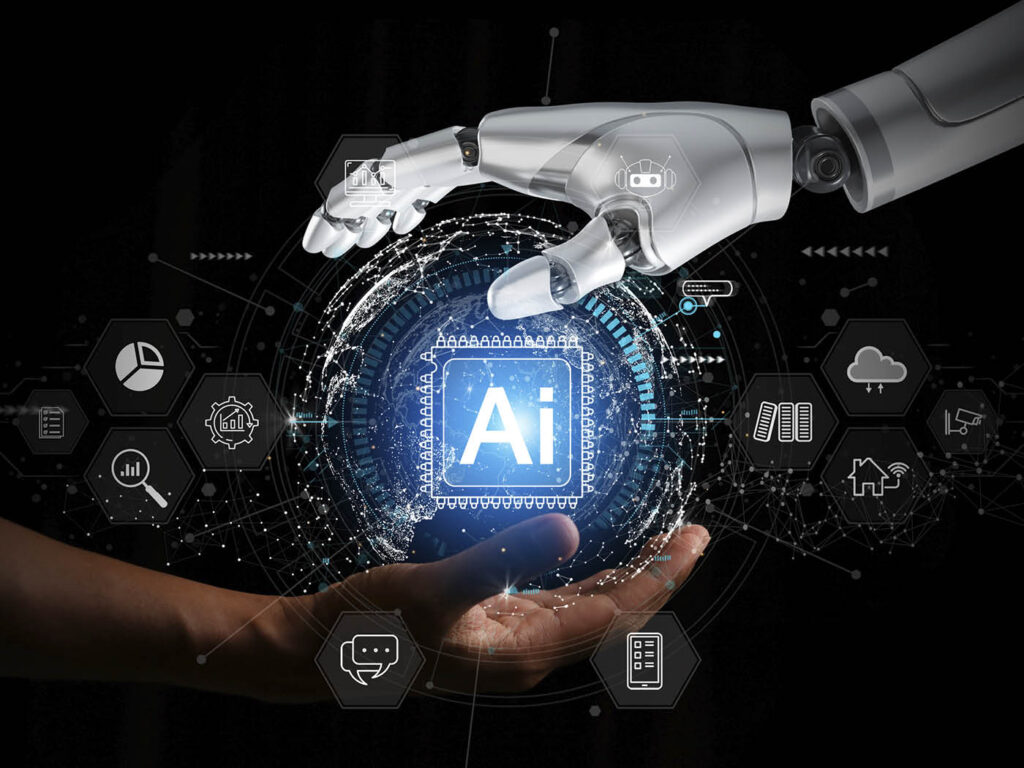
Every single time humanity invents a world-altering tool—whether it was the steam engine, the printing press, or the internet—it fundamentally shakes up society. AI is no exception, and it brings a complex set of growing pains and ethical dilemmas.
| The Core Challenge | What Is at Risk? | The Human Solution |
| Workforce Displacement | Routine, repetitive jobs disappearing overnight. | Universal retraining programs focused on soft skills. |
| Algorithmic Bias | Computers repeating historical human prejudices. | Building diverse engineering teams and transparent data. |
| Data Privacy Erosion | Personal information scraped without true consent. | Strict global digital borders and user ownership laws. |
| Skill Atrophy | Humans losing the ability to think critically. | Using AI as an active coach, never an autopilot. |
1. The Shifting Job Landscape
Automation is rapidly moving beyond physical factory floors and entering the realm of white-collar office work. Jobs that rely heavily on routine data entry, basic copywriting, or rote processing are facing massive displacement risks. While AI will undoubtedly create entirely new industries and job titles, the immediate transition will require a monumental societal effort to retrain and support workers whose livelihoods are disrupted.
2. The Trap of Algorithmic Bias
We like to think of computers as cold, perfectly logical, and entirely unbiased. However, an AI model is only as fair as the data we feed it. If a system is trained on historical data that contains human prejudices, the AI will simply learn to automate and hide that discrimination behind a mask of mathematical objectivity. Ensuring fairness in algorithmic hiring, lending, and policing is an absolute civil rights priority.
3. Privacy in a World of Constant Scraping
To build an incredibly smart AI, you need an unbelievable amount of training data. This has led to an aggressive, ongoing rush to scrape human conversations, personal photos, and private search histories from every corner of the web. Finding the delicate balance between technological innovation and protecting a human being’s fundamental right to digital privacy is one of the definitive legal battles of our era.
The Symbiosis: Human and Machine Collaboration
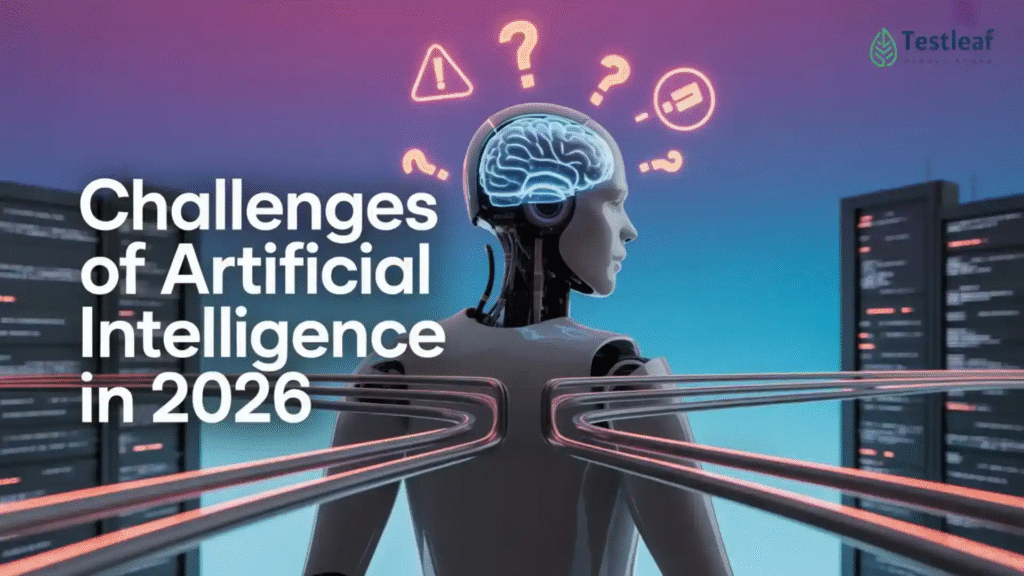
The most common fear surrounding artificial intelligence is complete human obsolescence—the terrifying idea that machines will eventually replace us entirely. However, the most likely and beautiful future is one of deep, intentional collaboration between human and machine.
┌─────────────────────────────────────────────────────────────────┐
│               THE PERFECT CO-PILOT RELATIONSHIP                 │
└────────────────────────────────┬────────────────────────────────┘
                                 │
         ┌───────────────────────┼───────────────────────┐
         ▼                                               ▼
┌────────────────────────────────┐              ┌────────────────────────────────┐
│       WHAT THE AI BRINGS       │              │      WHAT THE HUMAN BRINGS     │
├────────────────────────────────┤              ├────────────────────────────────┤
│ • Infinite memory processing   │              │ • Deep emotional empathy       │
│ • Lightning calculation speed   │  ◄─── ───►   │ • Out-of-the-box creativity    │
│ • Zero physical fatigue        │              │ • Moral and ethical judgment   │
└────────────────────────────────┘              └────────────────────────────────┘
An AI can crunch the numbers, spot the trend lines, and draft the initial templates at lightning speed, but it lacks a human heart, authentic empathy, and moral conscience. A machine can diagnose a medical condition based on statistical patterns, but it cannot sit gently by a patient’s bedside and deliver that news with genuine human compassion. The future belongs not to machines alone, nor to unassisted humans, but to the professionals who learn to work hand-in-hand with smart tools.
Your Practical Blueprint: How to Prepare for the AI Era
You do not need to become a high-level computer scientist or a math genius to thrive in an AI-driven economy. Preparing for the future is much more about shifting your mindset and upgrading your uniquely human skill set.
First, Master the Art of Prompting
Think of AI as an incredibly eager, brilliant assistant who happens to take everything you say literally. Learning how to talk to these systems—knowing how to ask the right questions and give precise context—is becoming as foundational as knowing how to type or read a spreadsheet.
Second, Double Down on Your Human Traits
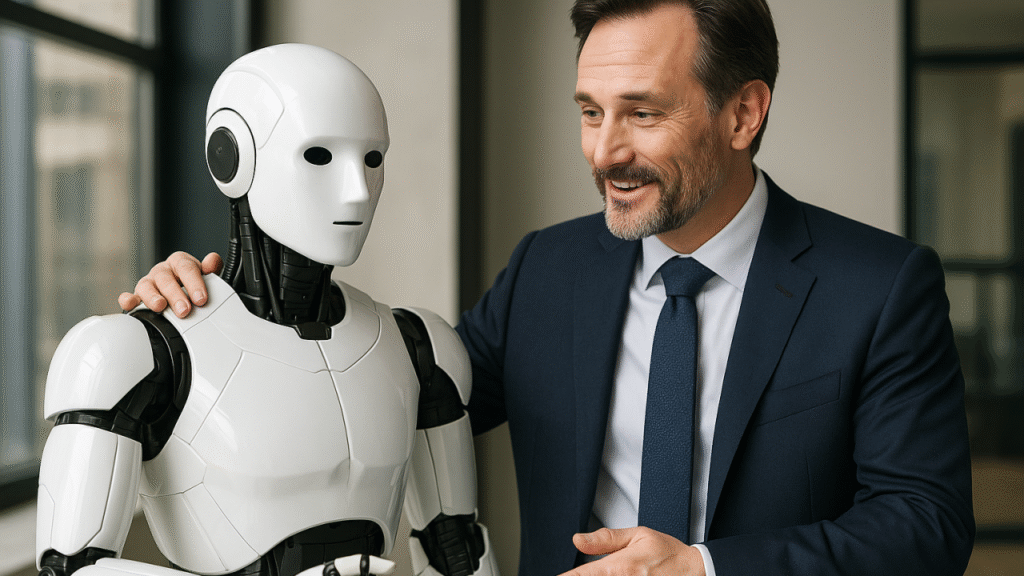
The more a task can be automated, the less economic value it will hold. Conversely, traits that computers cannot mimic will skyrocket in value. Focus on sharpening your emotional intelligence, complex negotiation skills, leadership, and creative problem-solving. A computer can generate an image, but it takes a human to look at that image and know if it truly stirs the human soul.
Third, Adopt a Lifestyle of Continuous Learning
The days of learning one specific trade in your twenties and doing it exactly the same way until retirement are officially over. The future workforce requires constant curiosity and a willingness to reinvent yourself. Look at these new technologies not as an intimidating threat designed to replace you, but as a free, infinitely patient personal coach that you can use to upgrade your career, unlock your creativity, and expand your horizons.