

In a world where New Skills information is just a few clicks away, learning something new has become easier than ever. Whether you want to understand how to use a digital tool, improve your daily routine, solve a technical problem, learn a new skill, or complete an unfamiliar task, How-To Guides can help you find the right direction. Instead of spending hours searching through complicated information, a well-organised guide breaks a task into simple, manageable steps.
How-to content has become an important part of the digital learning experience. People regularly search online for instructions that help them fix problems, make better decisions, save time, and become more confident. From beginners exploring technology to professionals learning advanced software, practical guides make information accessible to everyone.
The best part is that how-to guides are not limited to technology. They cover almost every area of everyday life, including education, business, travel, finance, cooking, home improvement, personal development, and digital productivity. With clear explanations, useful examples, and actionable advice, these resources turn complicated tasks into achievable activities.
What Are How-To Guides and Why Are They Important?

How-to guides are instructional resources that explain how to complete a particular task or achieve a specific result. They usually follow a step-by-step structure, allowing readers to understand each stage without feeling overwhelmed.
For example, someone who wants to create a professional presentation might search for a guide explaining how to choose a template, organise information, add visuals, and export the final presentation. Similarly, a beginner learning website development may look for instructions on setting up a domain, selecting hosting, and publishing a website.
These guides are valuable because they focus on practical solutions rather than complicated explanations. Readers can follow the instructions at their own pace and revisit individual steps whenever necessary.
Why people rely on how-to guides:
- Easy learning: Understand unfamiliar subjects through simple explanations.
- Time-saving: Find relevant instructions without searching multiple resources.
- Problem-solving: Discover practical solutions to everyday challenges.
- Skill development: Learn useful personal and professional skills.
- Better productivity: Complete tasks with a more organised approach.
- Independent learning: Develop confidence without always depending on expert assistance.
Different Types of How-To Guides You Should Explore

How-to guides cover a wide range of subjects. Choosing the right category depends on what you want to learn and the kind of problem you need to solve.
1. Technology and Digital Guides
Technology guides help users understand digital platforms, applications, devices, and software. They are particularly useful for beginners who want to explore modern technology without dealing with complicated technical terminology.
These guides may explain how to install applications, protect online accounts, manage files, use cloud storage, troubleshoot common device problems, or explore artificial intelligence tools.
For instance, a beginner can follow a step-by-step tutorial to create an account, understand the available features, and use an AI writing assistant to organise ideas.
10 Best Beginner Computer Skills Courses
2. Education and Learning Guides
Educational guides make learning more structured and accessible. Students can use them to understand difficult concepts, improve study habits, prepare for examinations, and explore new subjects.
These resources can also introduce online learning platforms, research methods, note-taking techniques, and digital educational tools.
A useful study guide, for example, might explain how to create a weekly timetable, divide subjects into manageable sections, and revise important topics effectively.
3. Business and Career Guides
Professional development requires continuous learning. Business and career guides help individuals understand workplace responsibilities, improve communication, build professional skills, and explore opportunities.
Some popular topics include:
- How to create a professional resume.
- How to prepare for a job interview.
- How to start a small business.
- How to improve workplace communication.
- How to manage projects and deadlines.
- How to develop a personal brand.
These guides are useful for students, job seekers, freelancers, entrepreneurs, and working professionals.
4. Lifestyle and Everyday Guides
Lifestyle guides focus on practical activities that make everyday routines easier. They cover subjects such as home organisation, cooking, personal productivity, fitness routines, travel planning, and budgeting.
For example, a home organisation guide might explain how to declutter different rooms, arrange essential items, and maintain a clean living environment.
Cómo planificar marzo: 7 claves de la neuropsicología para organizar el año – Infobae
5. Creative and Design Guides
Creative guides introduce users to different ways of expressing ideas through visual and digital content. They can explain graphic design, video editing, photography, content creation, illustration, and website design.
Beginners can learn how to select suitable tools, understand basic design principles, experiment with templates, and create professional-looking content.
How to Follow a How-To Guide Effectively
Finding a useful tutorial is only the first step. Following its instructions correctly is what helps you achieve the desired result. A structured learning approach can make the process easier and more effective.
Step 1: Identify Your Goal
Before starting, understand exactly what you want to accomplish. Having a clear objective helps you find relevant information and avoid unnecessary instructions.
For example, instead of searching for general information about graphic design, look for a specific tutorial such as how to create a social media post using a design application.
Step 2: Choose a Reliable Guide
Not every online tutorial provides accurate or updated information. Look for guides that explain the process clearly, use relevant examples, and provide instructions that match the version of the tool or platform you are using.
Check the publishing or update date when learning about software, technology, financial processes, or other subjects where information can change.
Step 3: Understand the Requirements
Some tasks require particular software, equipment, accounts, documents, or preparation.
Read the complete guide before starting so you know what is needed. This prevents interruptions and helps you prepare everything in advance.
Step 4: Follow Instructions Step by Step
Avoid skipping important stages, especially when learning something unfamiliar. Complete one step at a time and check whether the expected result appears before moving forward.
If a particular instruction is unclear, revisit that section or consult another reliable resource.
Step 5: Practise and Review
Practical experience improves understanding. Repeat the process, experiment with different features, and review the final result to identify areas that need improvement.
Essential Features of a Good How-To Guide
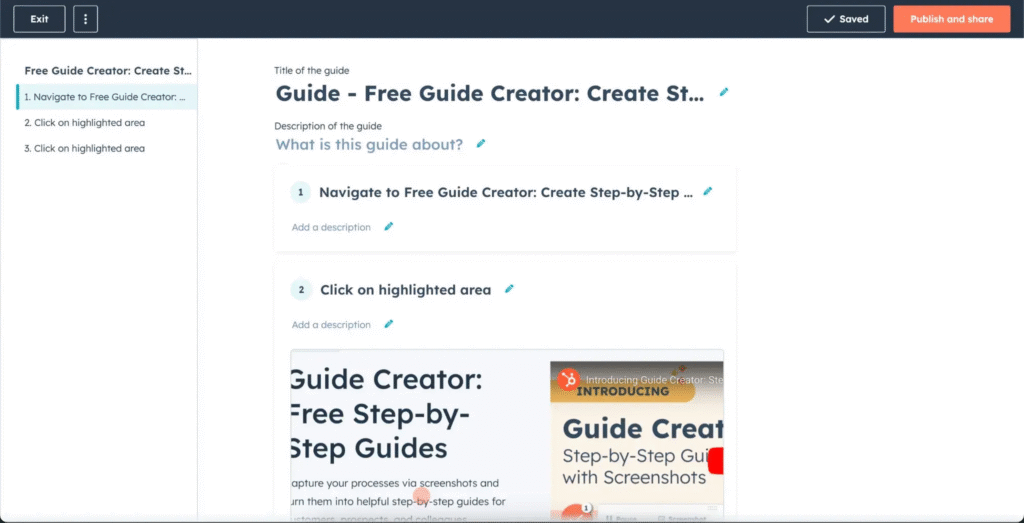
A useful guide should make learning straightforward, engaging, and practical. Its quality depends on how effectively it communicates information and helps readers complete their tasks.
| Important Feature | Why It Matters |
|---|---|
| Clear title | Helps readers understand the topic immediately. |
| Simple language | Makes instructions accessible to beginners. |
| Step-by-step structure | Explains the process in an organised manner. |
| Relevant visuals | Makes complex instructions easier to understand. |
| Practical examples | Connects information with real situations. |
| Updated information | Keeps instructions relevant and accurate. |
| Troubleshooting tips | Helps readers overcome common difficulties. |
| FAQs | Answers additional questions quickly. |
Important tip: The best guides focus on solving a specific problem. Avoid unnecessary explanations, complicated language, and instructions that do not contribute to the final outcome.
Best Digital Tools for Creating and Following How-To Guides
Digital tools have made it easier to create, organise, and access instructional content. Depending on your requirements, different platforms can support the learning process.
| Tool | Main Purpose | Useful For |
|---|---|---|
| Google Docs | Document creation | Writing and organising instructions |
| Canva | Graphic design | Creating visual tutorials |
| Notion | Knowledge management | Saving guides and notes |
| YouTube | Video learning | Watching practical demonstrations |
| ChatGPT | AI-assisted learning | Understanding topics and generating explanations |
| Grammarly | Writing assistance | Improving instructional content |
These tools can support different stages of learning. For example, you can research a topic, prepare written instructions, create supporting visuals, and organise everything in one accessible location.
You can also explore AltFTool to discover AI tools, design resources, and productivity solutions that may help simplify research, writing, and other digital tasks.
Common Mistakes to Avoid When Following Tutorials

Although online guides make learning easier, certain mistakes can affect the overall experience. Understanding these challenges can help you achieve better results.
1. Skipping important steps: Beginners sometimes move directly to advanced instructions without understanding the basics. Follow the complete process whenever possible.
2. Using outdated information: Older tutorials may contain incorrect screenshots, unavailable features, or instructions for previous software versions. Always verify whether the information is current.
3. Choosing unreliable sources: Avoid following instructions that lack proper explanations, evidence, or trustworthy references, particularly for financial, legal, technical, and safety-related tasks.
4. Trying too many methods at once: Comparing multiple tutorials simultaneously can create confusion. Start with one reliable method and explore alternatives when necessary.
5. Not practitioner after learning: Reading instructions without applying them may limit your understanding. Practise the process to develop confidence and improve your skills.
How-To Guides in the Future: The Role of AI and Personalised Learning

The way people discover and follow instructions is changing with the development of artificial intelligence. Traditional tutorials generally provide the same instructions to every reader, but AI-powered learning tools can offer explanations based on individual questions and requirements.
For example, a beginner learning coding can ask an AI assistant to explain a difficult concept using simpler language. A content creator can explore instructions for editing videos, generating images, or improving written content. Similarly, professionals can use AI-powered resources to understand new software and organise their daily activities.
SENAI – Faculdade SENAI está com inscrições abertas para seis cursos de extensão
Some emerging developments include:
- Interactive tutorials: Guides that allow readers to practise tasks while learning.
- AI-assisted explanations: Personalised answers based on individual questions.
- Visual instructions: More screenshots, demonstrations, and interactive illustrations.
- Voice-based learning: Audio instructions that make tutorials easier to follow.
- Adaptive learning: Content that adjusts according to the learner’s progress.
- Smart recommendations: Suggestions for relevant guides based on previous interests.
However, AI-generated instructions should always be checked against reliable sources. This is especially important when a task involves personal information, money, cybersecurity, or professional decisions.
Tips for Creating Your Own How-To Guides
Creating a helpful tutorial is an excellent way to share knowledge and help others solve problems. Whether you are writing a blog, preparing educational material, or publishing digital content, a structured approach can improve the reader’s experience.
Here are some practical tips:
- Select a specific topic: Focus on one question or problem instead of covering too many subjects.
- Understand your audience: Decide whether the guide is intended for beginners, students, or experienced users.
- Research carefully: Verify important details using trustworthy sources.
- Use descriptive headings: Divide the content into meaningful sections.
- Include visuals: Add relevant screenshots, illustrations, or examples wherever they improve understanding.
- Keep instructions actionable: Explain what readers should do rather than providing only general information.
- Add troubleshooting advice: Include solutions to common mistakes and difficulties.
- Review before publishing: Check accuracy, grammar, formatting, and links.
- Update regularly: Revise the guide whenever processes, tools, or features change.
A well-written tutorial should leave readers with something valuable: the ability to complete a task independently and confidently.
Frequently Asked Questions (FAQs)
1. What is the purpose of a how-to guide?
A how-to guide provides step-by-step instructions to help readers complete a particular task, learn a skill, or solve a problem.
2. Are how-to guides suitable for beginners?
Yes. Most beginner-friendly guides use simple language, practical examples, and clear instructions to make learning easier.
3. Where can I find reliable how-to guides?
You can explore educational websites, official product documentation, trusted blogs, online learning platforms, and verified video tutorials.
4. Can AI help create how-to guides?
Yes. AI tools can help organise information, generate outlines, simplify explanations, and create instructional content. Always verify important details before publishing.
5. How can I create an effective how-to guide?
Choose a specific topic, research it carefully, organise the process into clear steps, include relevant visuals, and review the final content for accuracy.