
In today’s digital world, choosing the right product, service, or online platform can feel overwhelming. With countless options available across shopping websites, apps, and digital marketplaces, customers often need reliable information before making a decision. This is where reviews and ratings become incredibly valuable.
Reviews and ratings help consumers understand the quality, performance, reliability, and overall experience associated with a product or service. Whether you are purchasing a smartphone, booking a hotel, selecting a productivity tool, or trying a new online service, customer feedback can provide useful insights that go beyond promotional descriptions.
In 2026, online reviews continue to influence purchasing decisions. Consumers increasingly look for detailed feedback, verified customer experiences, product comparisons, and transparent rating systems. Businesses also use reviews to understand customer expectations, improve their offerings, and build stronger relationships with their audiences.
However, not every review tells the complete story. Learning how to evaluate ratings, identify trustworthy feedback, and compare different experiences is essential for making informed decisions.
What Are Reviews and Ratings
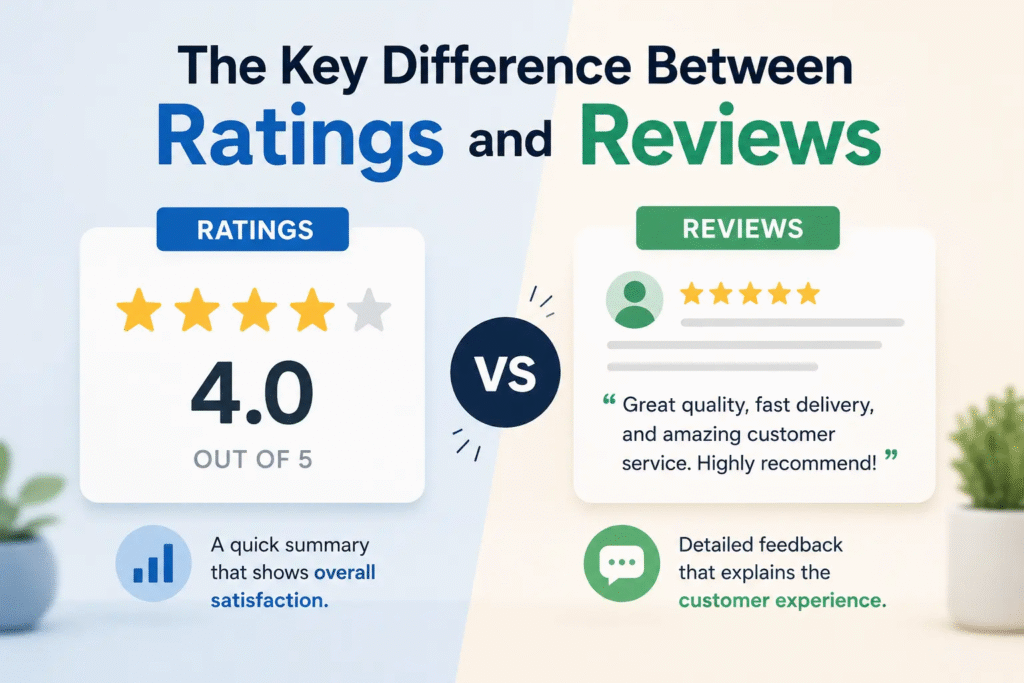
Reviews and ratings are forms of feedback that describe a person’s experience with a product, service, business, or platform.
A review usually contains written information about the user’s experience, including advantages, disadvantages, performance, quality, and recommendations. A rating provides a numerical or visual score that summarizes the overall experience.
For example, a customer may give a product a rating of 4.5 out of 5 stars and explain that it offers excellent performance but has limited battery life.
Together, reviews and ratings help potential customers understand what they can expect before making a purchase.
Key Elements of Reviews and Ratings
- Overall rating: A score representing the general customer experience.
- Detailed feedback: Written explanations of product or service performance.
- Pros and cons: Advantages and limitations.
- Verified purchase indicators: Signals that a review may be linked to a confirmed purchase.
- User experience: Insights into real-world usability and satisfaction.
- Product comparisons: Information that helps evaluate alternatives.
- Recent feedback: Updated opinions reflecting current performance or service quality.
These elements create a more complete picture than relying on a product description alone.
Why Reviews & Ratings Matter in 2026
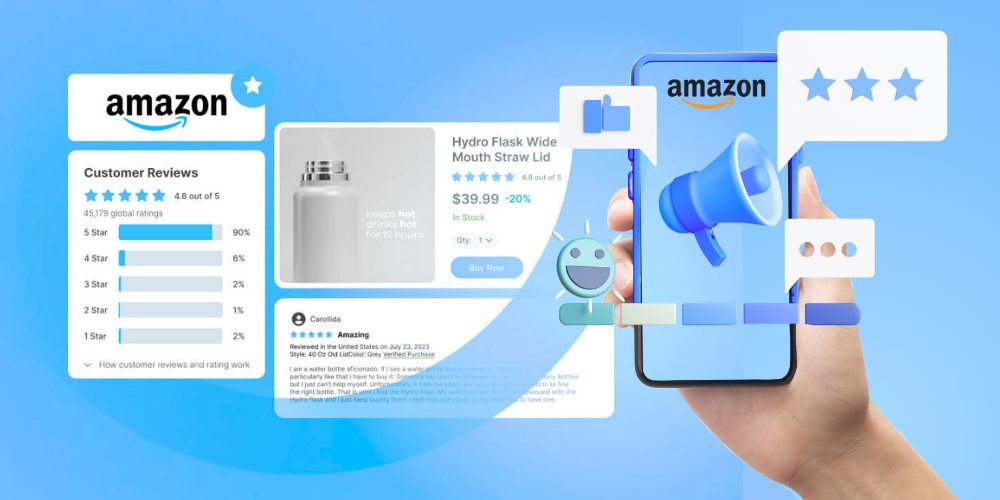
Customer feedback has become an important part of online decision-making. Consumers want to understand how products perform in real situations, not just how they are advertised.
1. Build Consumer Confidence
Reviews provide information from people who have already used a product or service. Reading about their experiences can help buyers feel more confident about their choices.
Detailed reviews that mention specific features, performance, and limitations are often more helpful than general statements.
2. Improve Purchasing Decisions
Ratings make it easier to compare multiple products quickly. A customer can evaluate different options based on customer satisfaction, quality, usability, and value.
However, a higher rating does not automatically mean a product is the best choice. Buyers should consider their individual needs and read the written feedback.
3. Identify Product Strengths and Weaknesses
Reviews often reveal details that may not appear in official product descriptions. Customers may discuss durability, ease of use, customer support, installation, or long-term performance.
This information helps buyers understand both the benefits and possible drawbacks of a product.
4. Support Business Improvement
Businesses can use customer reviews to identify recurring issues, understand preferences, and improve their products or services.
Constructive feedback can highlight opportunities to improve quality, customer support, delivery processes, and overall satisfaction.
5. Improve Transparency
A balanced collection of positive, neutral, and negative reviews can provide a more realistic understanding of a product.
Transparent feedback helps customers make decisions based on actual experiences rather than marketing claims alone.
Different Types of Reviews and Ratings
Reviews and ratings can be categorized according to the type of product, service, or experience being evaluated.
| Review Type | What It Evaluates | Best For |
|---|---|---|
| Product Reviews | Features, quality, durability, performance | Online shoppers |
| Software Reviews | Usability, functionality, integrations | Professionals and businesses |
| Service Reviews | Customer support, reliability, service quality | Service users |
| Travel Reviews | Hotels, destinations, transportation | Travelers |
| Business Reviews | Customer experience and reputation | Local consumers |
| App Reviews | Interface, performance, functionality | App users |
| Website Reviews | Usability, speed, accessibility | Digital users |
| Customer Reviews | Overall buying or service experience | General consumers |
Each type of review focuses on different factors, so readers should prioritize feedback that matches their intended use.
How to Read Reviews and Ratings Effectively

Reading reviews carefully can help you avoid misleading information and make better decisions.
Look Beyond the Overall Score
A rating provides a quick summary, but it may not explain why customers are satisfied or dissatisfied.
For example, a product with a 4.2-star rating might receive positive feedback for quality but negative comments about shipping. Understanding the context is more useful than focusing only on the number.
Check the Number of Reviews
A rating based on hundreds of reviews may provide a broader perspective than one based on only a few opinions.
| Rating Scenario | What to Consider |
|---|---|
| 5 stars with very few reviews | Limited feedback; investigate further |
| 4.5 stars with many reviews | Potentially useful overall signal |
| 3 stars with detailed feedback | Look for recurring concerns |
| Mixed ratings | Evaluate differences in customer expectations |
| Recent negative reviews | Check whether a problem is ongoing |
The number of reviews matters, but it does not guarantee authenticity or accuracy.
Read Both Positive and Negative Feedback
Positive reviews can highlight strengths, while negative reviews may reveal limitations.
Look for recurring themes rather than reacting to one extreme opinion. If multiple customers mention the same issue, it may deserve closer attention.
Check Review Dates
Product quality, software features, pricing, and customer service can change over time.
Recent reviews may be more relevant when evaluating products that receive regular updates or businesses whose services evolve.
Consider Your Own Requirements
A product may receive excellent ratings but still not suit your needs.
For example, a high-performance laptop may be ideal for professional editing but unnecessary for someone who only browses the internet and writes documents.
Important pointer: The best-rated product is not always the best product for you. Focus on features, performance, price, and usability that match your priorities.
How to Identify Trustworthy Reviews

Online reviews can sometimes be misleading. Fake, incentivized, or manipulated feedback may create an inaccurate impression of a product or business.
Signs of Helpful and Genuine Reviews
- The reviewer explains specific features or experiences.
- Feedback includes realistic advantages and disadvantages.
- The review describes how the product was used.
- Opinions are supported by relevant details.
- The language feels natural and informative.
- The review date and context are clear.
- Similar feedback appears across independent sources.
Warning Signs of Potentially Misleading Reviews
| Warning Sign | Why It May Be Concerning |
|---|---|
| Repeated generic praise | May provide little real information |
| Many similar reviews posted together | Could indicate coordinated feedback |
| No details about actual usage | Difficult to evaluate credibility |
| Overly exaggerated claims | May not reflect realistic performance |
| Unrelated comments | May not be relevant to the product |
| Suspicious rating patterns | Could require further investigation |
These warning signs are not proof that a review is fake. They simply indicate that readers should evaluate the information more carefully.
Reviews and Ratings for Different Products
Different products require different evaluation criteria. Understanding what matters in each category makes comparison more effective.
Technology and Electronics
When reviewing electronics, consider performance, battery life, durability, compatibility, usability, and warranty support.
For smartphones, camera quality and battery performance may be important. For laptops, processing power, display quality, storage, and portability may matter more.
Software and Digital Tools
Software reviews should focus on ease of use, features, integrations, reliability, pricing, and customer support.
For business tools, scalability and security may also be important considerations.
Fashion and Lifestyle Products
Fashion reviews may include sizing, fabric quality, comfort, durability, fit, and appearance.
Customer photos and detailed descriptions can help buyers understand how products look and feel outside promotional images.
Travel and Hospitality
Travel reviews often evaluate cleanliness, location, customer service, amenities, transportation access, and overall experience.
Travelers should also consider the date of the review because hotel facilities and services may change.
Product Comparison Through Reviews and Ratings

Comparing products is easier when feedback is organized around consistent criteria.
For example, instead of choosing between two devices based only on their star ratings, compare their performance, usability, value, and customer satisfaction.
| Comparison Factor | Product A | Product B |
|---|---|---|
| Performance | Review-based assessment | Review-based assessment |
| Ease of Use | Review-based assessment | Review-based assessment |
| Durability | Review-based assessment | Review-based assessment |
| Customer Support | Review-based assessment | Review-based assessment |
| Value for Money | Review-based assessment | Review-based assessment |
| Overall Suitability | Based on user needs | Based on user needs |
This method encourages thoughtful evaluation instead of relying on a single rating.
How Businesses Can Use Reviews to Improve Customer Experience
Customer feedback is valuable not only for buyers but also for businesses. Reviews can reveal what customers appreciate and where improvements are needed.
Monitor Feedback Regularly
Businesses should review feedback across relevant platforms and identify recurring themes. Consistent complaints about delivery, usability, or customer service may indicate an operational issue.
Respond Professionally
A thoughtful response to a negative review can demonstrate that the business takes customer concerns seriously.
Businesses should acknowledge the issue, remain respectful, and provide a helpful next step without revealing private customer information.
Use Feedback for Product Development
Reviews can help businesses identify features customers want, problems they encounter, and improvements that may increase satisfaction.
Encourage Honest Reviews
Businesses can invite customers to share genuine experiences without pressuring them to provide positive ratings.
Important pointer: Honest feedback is more valuable than artificially inflated ratings. Businesses should follow applicable platform policies and local rules when requesting or publishing reviews.
The Role of AI in Reviews and Ratings
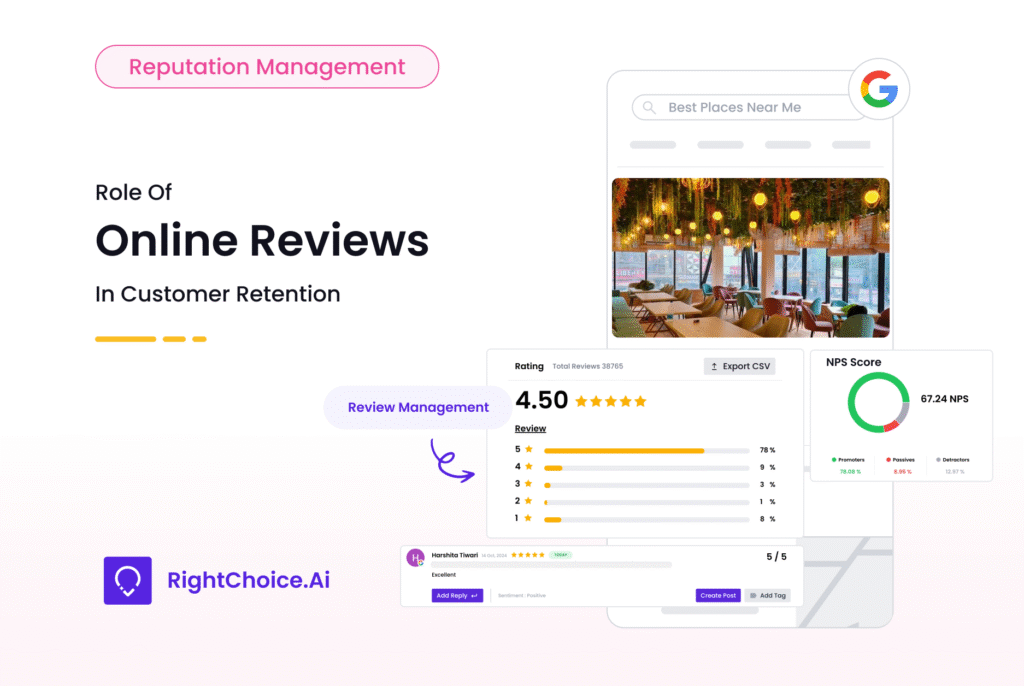
Artificial intelligence is increasingly used to analyze customer feedback. AI-powered systems can summarize large volumes of reviews, identify recurring themes, classify sentiment, and highlight common concerns.
For example, an AI review analysis tool may identify that customers frequently appreciate a product’s design but express concerns about its battery performance.
Potential Benefits of AI Review Analysis
- Summarize lengthy customer feedback.
- Identify repeated product complaints.
- Detect broad customer satisfaction patterns.
- Organize reviews by topic.
- Help businesses prioritize improvements.
- Support faster comparison between alternatives.
However, AI summaries should not replace reading relevant reviews. Automated analysis may miss context, misunderstand sarcasm, or overlook unusual but important experiences.
Common Mistakes to Avoid When Using Reviews
| Mistake | Better Approach |
|---|---|
| Choosing only by star rating | Read detailed feedback |
| Ignoring negative reviews | Look for recurring concerns |
| Trusting every review | Check credibility and context |
| Overlooking review dates | Prioritize relevant recent feedback |
| Comparing unrelated products | Use consistent criteria |
| Ignoring personal requirements | Match features to your needs |
| Assuming popularity means quality | Evaluate actual performance |
A thoughtful review process helps reduce uncertainty and makes purchasing decisions more practical.
Reviews and ratings have become essential tools for making informed decisions in the digital marketplace. They provide insights into product quality, usability, performance, customer satisfaction, and service reliability.
By reading feedback carefully, comparing relevant features, checking review credibility, and considering personal requirements, consumers can make smarter purchasing decisions. Businesses can also use honest customer feedback to improve products, strengthen customer relationships, and enhance their overall service experience.
In 2026, the most valuable reviews are those that provide clear, balanced, and useful information. Instead of relying only on ratings, explore the details, evaluate the experiences, and choose products or services that genuinely meet your needs.
Frequently Asked Questions (FAQs)
1. What are reviews and ratings?
Reviews are written feedback about a product or service, while ratings provide a numerical or visual score summarizing an experience.
2. Why are customer reviews important?
They help consumers understand product performance, identify strengths and weaknesses, and make informed purchasing decisions.
3. Are 5-star reviews always trustworthy?
No. Readers should evaluate review details, credibility, dates, and patterns rather than relying only on a high rating.
4. How many reviews should I read before buying?
There is no fixed number. Reading a balanced selection of positive, negative, and recent reviews can provide useful insight.
5. Can negative reviews be helpful?
Yes. Negative reviews can reveal limitations, recurring issues, or features that may not suit your needs.