

Let’s step back and look at our lives without any corporate buzzwords or sugarcoating: we are completely drowning in screens. We wake up, and before our eyes can even adjust to the morning light, we are already scrolling. We roll through a chaotic blur of news alerts, text notifications, work updates, and social media posts before we’ve even had a chance to breathe, pour a cup of coffee, or check in with how we are actually feeling.
We’ve convinced ourselves that this constant, frantic connection is just what it takes to survive in the modern world. We confuse staying busy with living a meaningful life, and we treat chronic exhaustion like a badge of honor. But if we are being completely honest, this endless digital noise is quietly wearing us down. It fractures our attention, fuels a constant undercurrent of anxiety, and pulls us away from the physical world right in front of us.
Reclaiming your life isn’t about throwing your phone in a lake or running away to a cabin in the woods. It’s about something much simpler: waking up to our own choices, setting hard boundaries, and remembering how to be present in our own lives. Technology should be a tool that opens up our world, not a cage that keeps us trapped in an endless cycle of scrolling. By making small, deliberate shifts in our daily habits, we can finally clear out the mental clutter, protect our peace of mind, and build a lifestyle that actually feels good to live.
[Mindless Scrolling & Cognitive Overload] ──> Mindful Boundaries ──> Presence, Focus, and True Connection
The Screen Mirage: Why Instant Chats Can’t Replace Real Presence
The way we talk to each other has shifted so fast that we’ve barely had time to process what we’ve lost along the way. In a lot of ways, it’s amazing—we can see and talk to friends across the globe in a heartbeat, bypassing old barriers of time and distance that used to keep people apart for months.
+------------------------------------+------------------------------------+
| Old-School Meaningful Connection   | The Modern Hyper-Connected Mirage  |
+------------------------------------+------------------------------------+
| Writing letters with real intent   | Rapid-fire, superficial text bursts|
| Undivided attention on one person  | Fragmented attention split globally|
| Deep presence in local communities | Chasing digital validation online  |
+------------------------------------+------------------------------------+
But we need to watch out for the trap that comes with this convenience. When we trade real, face-to-face conversations for curated text bubbles and passive social media updates, our relationships start to lose their depth. You cannot build true empathy through a cold screen; you need eye contact, vocal tones, shared laughter, and even those comfortable silences that only happen when you are physically in the same room. We have to stop letting quick emojis replace the beautiful, sometimes messy reality of human presence, and start making real time for the people who truly matter to us.
The Comparison Trap: Breaking Free from Algorithmic Desires

Social media platforms are no longer just simple places to share family photos or keep up with old high school friends. They have turned into highly sophisticated engines designed by psychologists to capture your attention and keep you hooked for as long as humanly possible.
[Passive Feed Scrolling] ──> Envy & Insecurity Sparked ──> Chasing Trends to Feel Satisfied
When you spend hours scrolling through your feed, your brain isn’t just looking at pictures; it’s soaking in a carefully edited highlight reel of everyone else’s life. It is incredibly easy to fall into the trap of comparing your messy behind-the-scenes reality to someone else’s polished, perfect presentation. This constant exposure creates a quiet, lingering sense of insecurity, making us feel like our clothes, our homes, and our lives aren’t quite good enough. Breaking free from this loop means realizing that these feeds are a distorted version of reality, and that your peace of mind is worth far more than any digital validation.
Healing Your Attention Span in a World of Micro-Distractions

We are living in an era where the entire sum of human knowledge is sitting right inside our pockets, giving us the incredible power to learn new skills or find answers to deep questions in less than a second.
          ┌────────────────────────────────┐
          │   The Attention Fracture Map   │
          └───────────────┬────────────────┘
                          │
         ┌────────────────┼────────────────┐
         ▼                ▼                ▼
┌─────────────────┐ ┌───────────────┐ ┌──────────────────┐
│ Infinite Scroll │ │ Micro-Content │ │ Phantom Pings    │
│ Endless push    │ │ Short clips   │ │ Checking phones  │
│ for cheap pulls | │ erase space   │ │ out of habit     │
│ of dopamine     │ │ for deep focus│ │ and boredom      │
└─────────────────┘ └───────────────┘ └──────────────────┘
But this unlimited access has come with a heavy tax: our ability to deeply focus on one thing has been completely shattered. Because digital media is served to us in short, hyper-stimulating bursts, we have conditioned our brains to expect instant gratification every few moments. We struggle to sit through a movie, read a chapter of a book, or have an uninterrupted conversation without reflexively reaching for our phones. Healing this fracture requires us to treat focus like an actual muscle—one that we have to strengthen by intentionally turning off our devices and allowing our minds to experience healthy, unplugged boredom.
Setting Hard Boundaries in a Workplace That Never Sleeps
The modern professional world has embraced remote work, digital tools, and constant connectivity, giving millions of people an extraordinary amount of geographical freedom over how and where they get things done.
Shattering the Bubble: Reclaiming Your Independent Mind
We are currently living in a world of absolute personalization. Streaming networks pick our evening movies, online storefronts guess exactly what we want to buy next, and search engines tailor their results to fit our specific habits.
While this makes life smooth and convenient, it also wraps us in an invisible, data-driven bubble that shields us from new perspectives. When an algorithm only shows you things that validate your existing opinions and tastes, it slowly shrinks your world and hardens your biases. True personal growth and real creativity require a little bit of friction, surprise, and exposure to ideas that make you uncomfortable. Stepping outside of this comfortable echo chamber means actively seeking out different viewpoints, listening to people you disagree with, and keeping your independent curiosity alive.
The Hard Work of Learning: Moving Beyond Easy Content
The traditional gatekeepers of education have been entirely bypassed by the rise of free online learning, video tutorials, and interactive learning platforms.
Anyone with an internet connection can completely change their life by learning a new trade or master a topic entirely on their own terms. But we have to be careful not to mistake consumption for actual understanding. Watching a video about a skill is not the same as doing the slow, focused work of practicing it, failing, and trying again. Real learning is an active, human process that requires patience, struggle, and real-world application—things that a screen can support, but can never do for you.
Shaking Off Choice Paralysis and Trusting Your Gut
Before we make even the smallest daily decisions—like picking a place to grab lunch, buying a new pair of shoes, or choosing a book—our immediate instinct is to look up reviews, read star ratings, and ask for online advice.
[Endless Online Opinions] ──> Over-Analyzing Data ──> Deep Choice Paralysis
While having access to information can help us avoid bad experiences, it often triggers an exhausting state of choice paralysis and a constant fear that we aren’t picking the absolute best option. We spend hours over-analyzing minor details, reading conflicting reviews, and completely disconnecting from our own intuition. True simplicity means learning to trust yourself again—making a good, solid choice, being content with it, and moving on with your life instead of getting stuck in an endless loop of digital research.
Listening to Your Body: Screen Time vs. Physical Well-Being
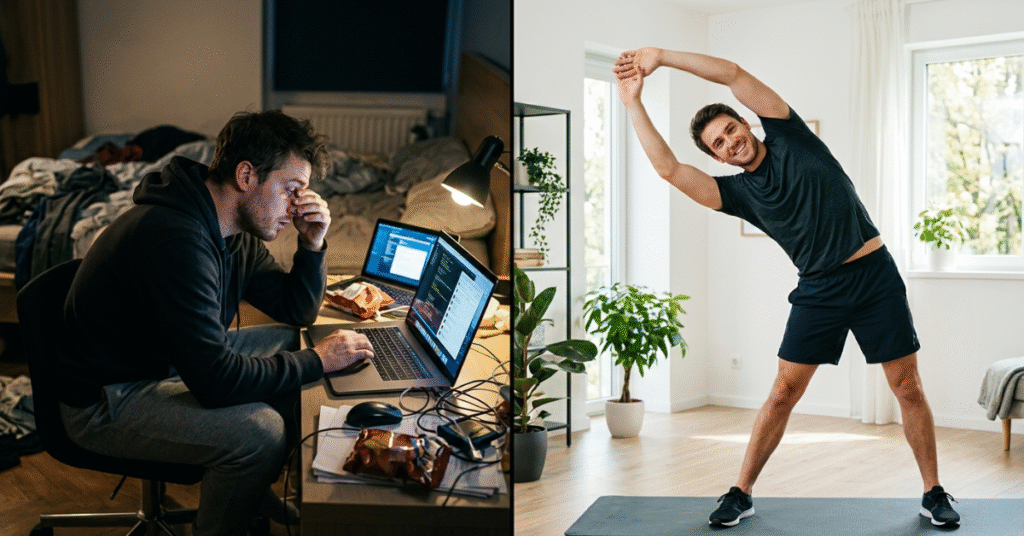
Our bodies were built to move through three-dimensional space, look at open horizons, breathe fresh air, and interact with physical environments. Yet, the average person now spends almost their entire day staring at a flat, glowing piece of glass just a few inches from their eyes.
This massive shift away from nature has triggered a wave of physical and mental fatigue, causing sleep disruption and a deep sense of restlessness. On the flip side, fitness trackers can give us great insights into our health. The key is to keep a healthy balance: use technology to track your stats if you want, but make sure you regularly shut down your devices to go outside, feel the sun, move your body, and get the deep, natural rest your nervous system desperately needs.
Staying Human in the Age of High-Speed Automation
As advanced artificial intelligence tools become a regular part of our daily routines, our expectations around speed, productivity, and convenience are shifting faster than ever before.
AI handles the heavy data lifting ──> Humans preserve empathy and real storytelling
We are rapidly moving into a world where software can handle our data, format our schedules, and automate our routine chores. The big challenge moving forward is learning how to partner with these tools without turning off our own critical thinking. We should offload the tedious grunt work to machines while fiercely protecting our uniquely human strengths—our empathy, our moral compass, our creative intuition, and our personal storytelling. The people who thrive in the future will be those who use automation to give them more time to lean into their human qualities.
Building Your Own Blueprint for a Balanced Life
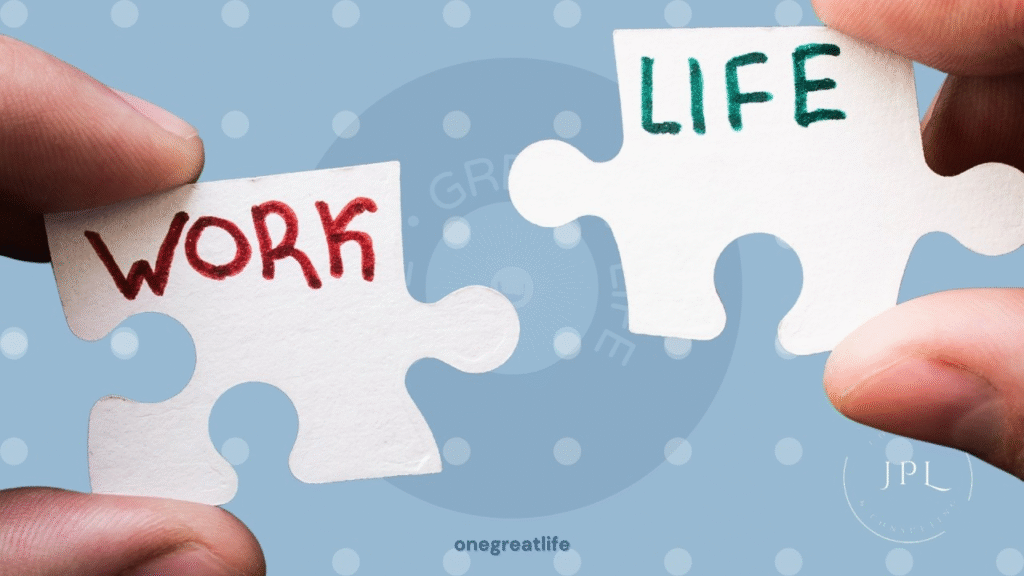
Ultimately, technology is neither a magical cure for all human suffering nor an evil force designed to ruin our society—it is simply a very powerful mirror that reflects our collective choices.
Recognize the Traps ──> Put Down the Devices ──> Reclaim Your Attention and Peace
Living a balanced life doesn’t mean deleting your profiles or disconnecting from the world entirely. It means changing your relationship with your phone from a mindless addiction into an intentional partnership. By creating device-free zones in your home, taking regular digital breaks, and prioritizing face-to-face relationships, you can enjoy the incredible benefits of the modern age without letting it run your life. Your attention is the most sacred thing you own—make sure you are giving it to the things that actually matter.