
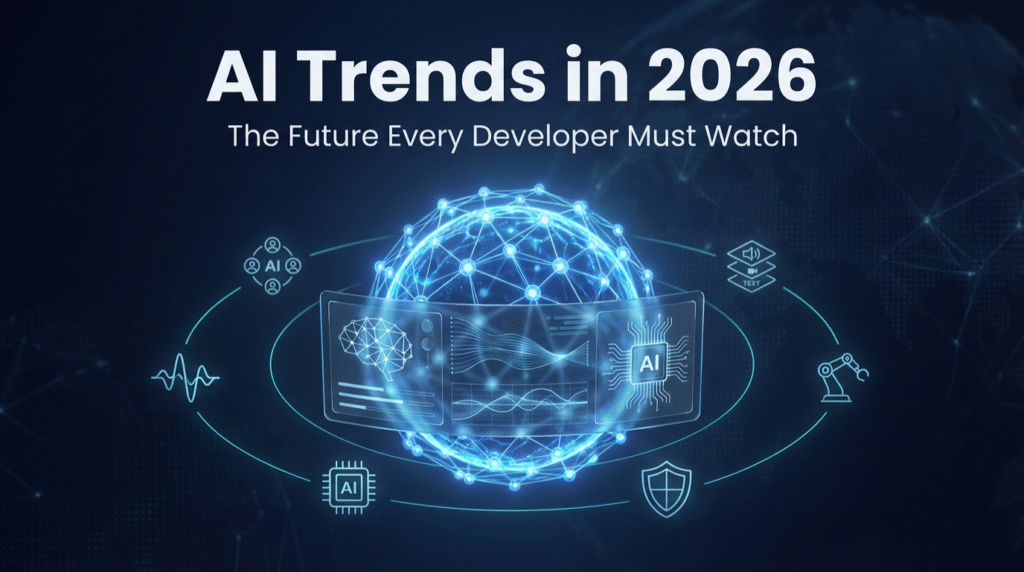
Artificial Intelligence is evolving faster than ever, fundamentally changing the way people work, communicate, learn, and solve complex problems. In 2026, AI is no longer limited to simple, rigid automation. Instead, it has grown significantly more intelligent, hyper-personalized, and capable of supporting high-level cognitive tasks across every major industry.
From advanced digital companions to massive breakthroughs in laboratory science, these rapid developments are opening up unprecedented opportunities. The future is being actively reshaped by how effectively human ingenuity pairs with intelligent machinery to handle the challenges of a digital age.
Smarter AI Assistants and Digital Companions
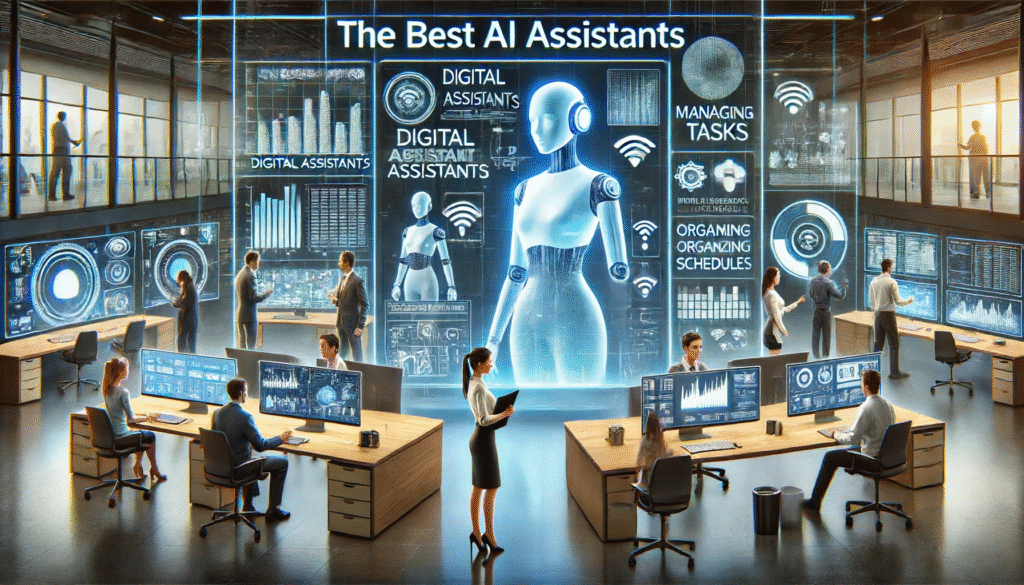
The traditional, voice-activated assistant that could only check the weather or set a timer is officially a thing of the past. Modern AI digital companions possess a deeply nuanced understanding of human language, intent, and contextual history, allowing them to provide meaningful, proactive support throughout the day.
[User Request] ──> [Contextual Memory Engine] ──> [Proactive Execution]
                         │
                         └── (Learns user habits, schedules, and preferences)
These advanced systems are fully capable of managing intricate schedules, summarizing dense research papers, drafting complex communications, and organizing workflows. As they continue to adapt, they learn individual user preferences and communication styles. This creates highly tailored experiences that feel less like interacting with software and more like collaborating with a dedicated chief of staff.
Generative AI Transforming Content Creation

Speed and Scale: Workflows that previously took weeks are now compressed into a matter of hours, making production highly accessible.
The Human Element: Despite these massive technical leaps, human creativity, editorial oversight, and strategic thinking remain completely irreplaceable for ensuring authenticity, emotional resonance, and true value.
Hybrid Workflows: The most successful content strategies rely on a collaborative loop where AI acts as the initial builder and the human acts as the director.
Generative AI has matured from a novel tech trend into an essential backbone for global content pipelines. Businesses, marketers, and independent creators routinely utilize these tools to generate innovative concepts, draft articles, design visuals, and edit high-definition video assets.
AI-Powered Healthcare Innovations
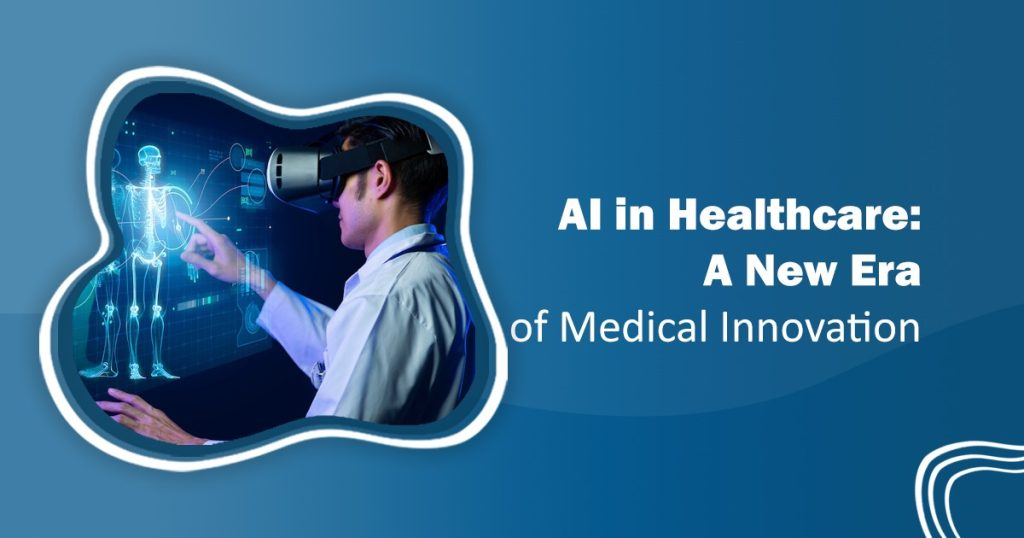
The medical field is experiencing a profound paradigm shift driven by intelligent diagnostic and analytical software. By processing millions of variables simultaneously, AI helps clinical researchers identify cellular patterns and genetic markers that would take humans years to isolate manually.
| Healthcare Area | AI Role & Impact |
| Diagnostics | Analyzes medical imagery to spot anomalies with extreme, early-stage precision. |
| Drug Discovery | Simulates chemical compounds to accelerate clinical trial timelines. |
| Patient Care | Tailors treatment plans based on a patient’s unique genetic profile and history. |
These innovations do not replace doctors; rather, they arm healthcare professionals with deep data insights, significantly reducing administrative burdens, expanding global access to medical services, and ultimately saving lives.
More Personalized Learning Through AI
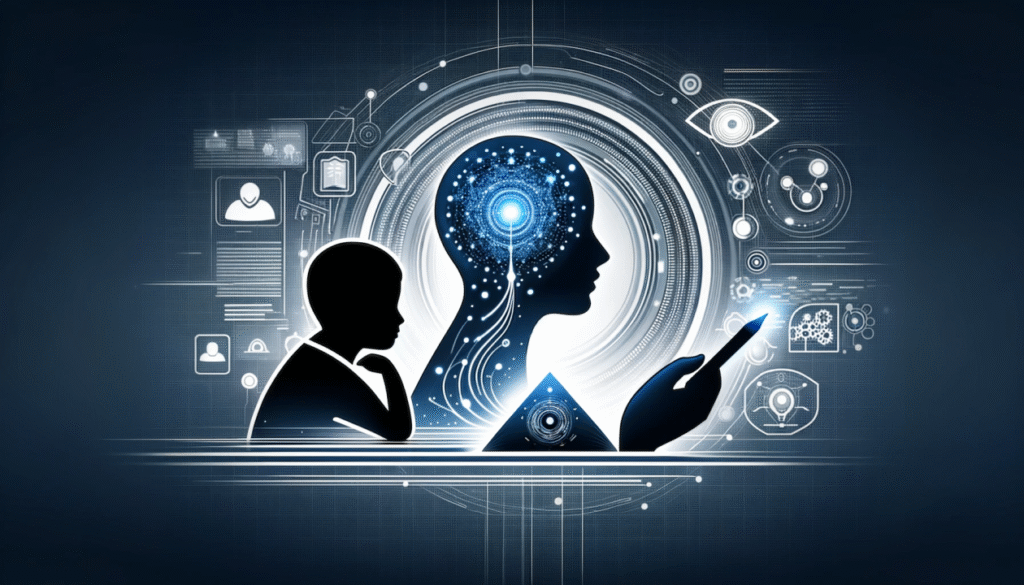
Traditional, one-size-fits-all educational frameworks are being replaced by highly flexible, AI-driven learning management systems. Because every student processes information differently, these platforms dynamically adapt lessons in real-time based on individual performance and speed.
For educators, these tools act as powerful teaching assistants. AI automates time-consuming administrative tasks like grading and lesson formatting, which frees up valuable classroom time for teachers to focus on mentorship, emotional support, and direct student interaction.
By automatically identifying specific knowledge gaps, the AI can instantly serve targeted practice modules, ensuring a student fully masters a concept before moving forward.
AI and Automation in the Workplace
Modern enterprises are heavily integrating intelligent systems to optimize their core operations and eliminate friction. Routine tasks like manual data entry, basic customer service sorting, and redundant spreadsheet management are now entirely automated, drastically improving corporate productivity and reducing human error.
[Raw Enterprise Data] ──> [AI Analytical Layer] ──> [Strategic Human Decision]
                                │
                                └── (Extracts patterns & forecasts trends)
With the heavy lifting handled by software, employees are empowered to pivot their attention toward creative problem-solving, long-term strategic planning, and relationship-building. The modern corporate office operates on a foundation of tight collaboration between unique human skills and predictive technologies.
Advanced Robotics and Intelligent Machines
When you combine cutting-edge language models with mechanical engineering, the result is a new generation of highly adaptable, intelligent machinery. Today’s robots are no longer confined to rigid factory floors; they are actively deployed in logistics hubs, complex manufacturing plants, and specialized surgical rooms.
- Precision and Agility: Advanced sensors allow machines to handle fragile items, navigate unpredictable environments, and perform high-precision tasks.
- Safety Upgrades: Robots are frequently sent into hazardous environments—such as deep mines or toxic waste zones—to keep human workers out of harm’s way.
- Adaptive Learning: Using reinforcement learning, these machines can adapt to new physical tasks on the fly without needing completely rewritten code.
AI Improving Cybersecurity

As the digital landscape expands, cyber threats have become incredibly sophisticated, fast-moving, and difficult to track. To counter this, security teams utilize AI systems capable of monitoring massive streams of network traffic in real-time to intercept attacks before they breach a system.
By establishing a baseline of normal network behavior, the AI can instantly flag unusual data patterns, unauthorized access attempts, or malicious software behavior. This automated, defensive posture allows organizations to neutralize threats within milliseconds, effectively shielding sensitive consumer data, corporate infrastructure, and vital public utilities.
Multimodal AI and Better Human Interaction
The days of being forced to interact with computers purely through typed text or code commands are officially over. The rise of multimodal AI allows systems to seamlessly process and understand different streams of information simultaneously, including text, spoken audio, static images, and live video.
                  ┌───> Text Input
                  ├───> Voice Audio
[Multimodal AI] ◄─┼───> Images & Photos
                  └───> Video Streams
This breakthrough allows humans to interact with technology in the most natural ways possible. A user can record a quick video of a broken mechanical part, ask a question out loud, and receive a perfectly context-aware, step-by-step repair guide in response, bridging the gap between digital systems and the physical world.
Responsible AI and Ethical Development
Because artificial intelligence now wields immense social and economic power, the global tech community is placing an unprecedented emphasis on ethical engineering and responsible deployment practices. Building powerful systems is no longer enough; they must also be safe and fair.
Organizations, regulatory bodies, and engineering teams are actively collaborating to build frameworks centered around transparency, strict data privacy, algorithmic fairness, and robust human oversight. Prioritizing these ethical guardrails is the only way to minimize algorithmic bias, secure personal information, and build long-term public trust.
AI Supporting Scientific Research
From deep space exploration to molecular biology, AI has become the ultimate accelerator for scientific discovery. The sheer volume of data generated by modern experiments is too vast for human teams to parse; AI solves this by spotting hidden correlations across millions of independent data points.
Scientists utilize machine learning to forecast complex climate patterns, discover entirely new structural materials, and map out the behavior of proteins.
By drastically reducing the time required for data processing and hypothesis testing, AI acts as a catalyst. This powerful partnership between human scientific expertise and computational speed is actively clearing the path toward monumental breakthroughs in clean energy, sustainability, and physics.
The Future of AI Innovation
Looking ahead, artificial intelligence will continue to become more deeply woven into the fabric of everyday life, transforming from an optional tool into a ubiquitous utility. We can expect systems to become even more frictionless, secure, and accessible to people of all technical backgrounds.
Businesses will scale up their use of predictive analytics to deliver hyper-customized consumer experiences, while individuals will rely on personal models to maximize their learning, organize their lives, and expand their creative outputs. The true trajectory of this innovation points toward amplification, where technology serves to elevate human capability rather than replace it.