
Technology is evolving at an incredible pace, changing the way we work, communicate, shop, learn, and live. What seemed futuristic just a few years ago is now becoming part of everyday life. Businesses are embracing digital transformation, consumers are adopting smarter devices, and new innovations are creating opportunities across nearly every industry.
As we move through 2026, several technology trends are standing out as game changers. From Artificial Intelligence (AI) and automation to cybersecurity advancements and smart technologies, these developments are shaping the future of business and society. Understanding these trends can help individuals and organizations stay competitive in an increasingly digital world.
Artificial Intelligence Continues to Lead Innovation
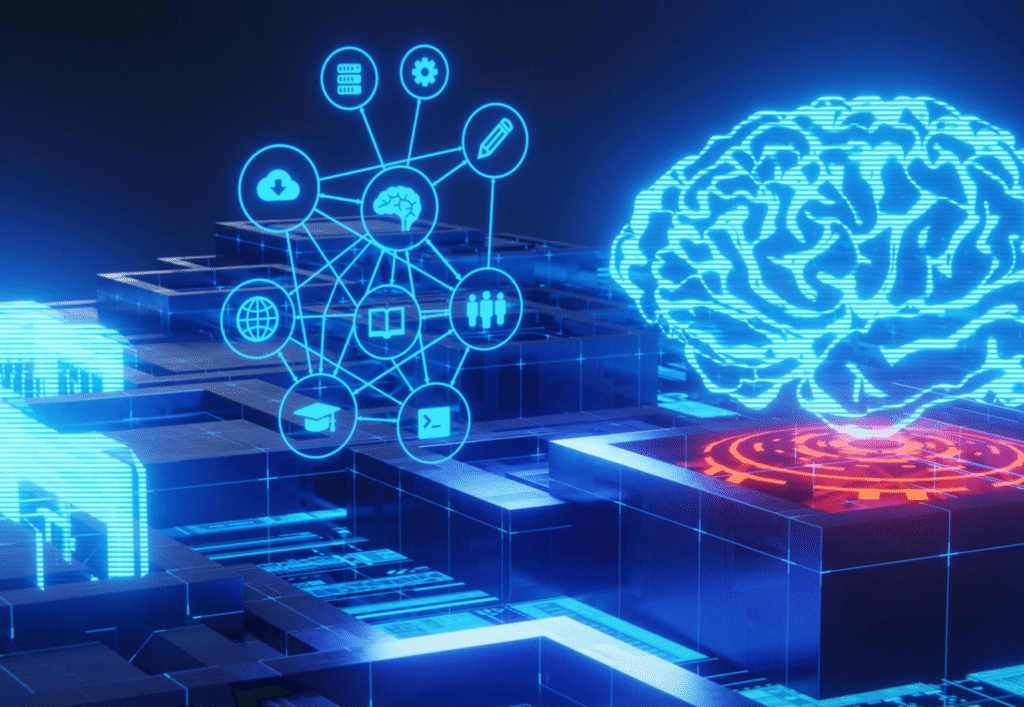
One of the most influential technology trends in 2026 is the rapid growth of Artificial Intelligence. AI is no longer limited to large technology companies. Today, businesses of all sizes are using AI-powered tools to automate tasks, analyze data, improve customer service, and increase productivity.
AI assistants can help write content, generate code, create images, and even provide business insights. Companies are using machine learning algorithms to make smarter decisions and deliver personalized customer experiences. As AI technology becomes more accessible, its impact on industries such as healthcare, education, marketing, and finance continues to grow.
Automation Is Transforming the Workplace
Automation has become an essential strategy for organizations looking to improve efficiency and reduce operational costs. Businesses are increasingly using automation tools to handle repetitive tasks that once required significant manual effort.
From automated customer support systems to workflow management platforms, automation allows employees to focus on higher-value activities. This trend is helping businesses increase productivity while reducing human error. As automation technology becomes more advanced, companies are discovering new ways to streamline operations and improve service delivery.
Cloud Computing Remains Essential
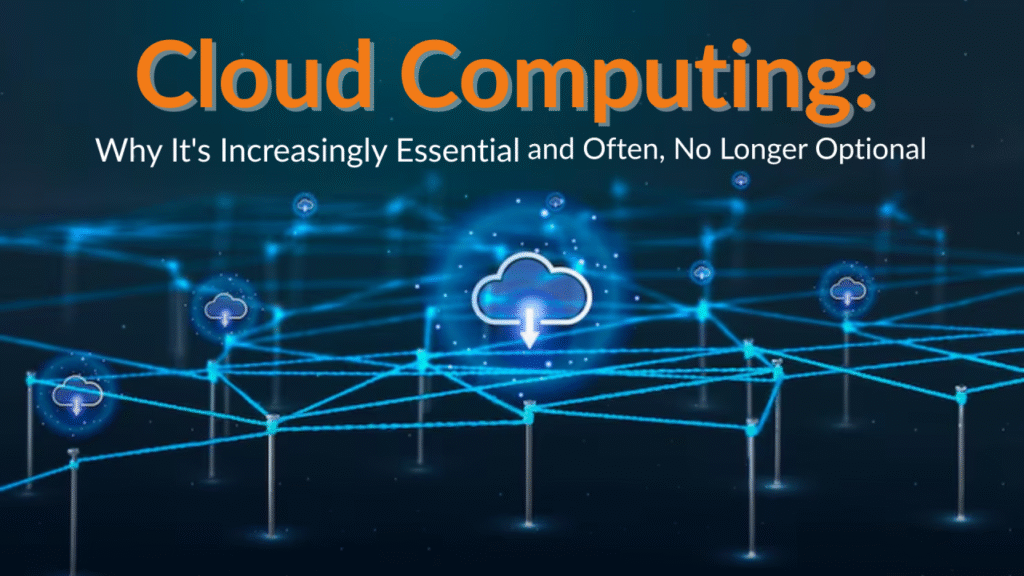
The demand for cloud computing continues to rise as organizations seek flexible and scalable technology solutions. Cloud platforms allow businesses to store data, run applications, and collaborate remotely without relying on expensive on-site infrastructure.
Remote and hybrid work environments have accelerated cloud adoption, making it easier for teams to access information from anywhere. Cloud technology also supports business continuity, data security, and cost efficiency. As companies continue their digital transformation journeys, cloud-based solutions remain a critical foundation for modern operations.
Cybersecurity Takes Center Stage
As digital adoption grows, so do cybersecurity threats. Protecting sensitive information has become a top priority for businesses and individuals alike. Cyberattacks are becoming more sophisticated, making advanced security measures essential.
Organizations are investing heavily in cybersecurity technologies such as multi-factor authentication, threat detection systems, endpoint protection, and AI-powered security monitoring. Businesses understand that a strong cybersecurity strategy is no longer optional—it is a necessity for maintaining trust and protecting valuable data.
Smart Devices Are Becoming Smarter
The Internet of Things (IoT) continues to expand, connecting everyday devices to the internet and enabling smarter interactions. From smart homes and wearable fitness trackers to connected vehicles and industrial sensors, IoT technology is becoming increasingly integrated into daily life.
These connected devices collect and analyze data in real time, helping users make informed decisions and automate routine activities. Businesses are also using IoT solutions to monitor equipment, optimize operations, and improve customer experiences.
Generative AI Is Revolutionizing Content Creation
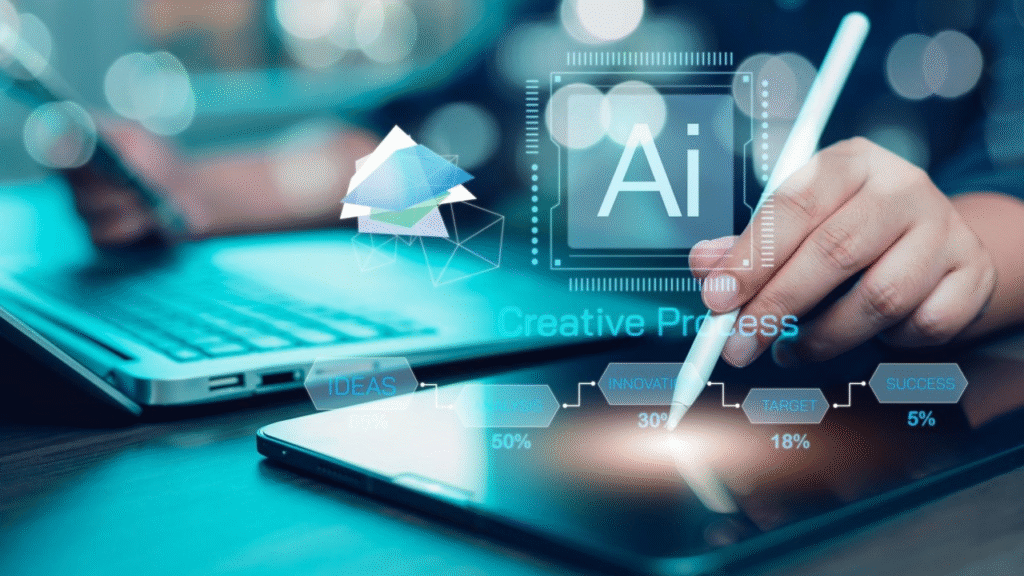
Generative AI has emerged as one of the most talked-about innovations in recent years. These technologies can create text, images, videos, music, and even software code with remarkable accuracy.
Content creators, marketers, designers, and developers are using generative AI tools to save time and boost creativity. While human expertise remains essential, AI-generated content is becoming a valuable resource for enhancing productivity and accelerating workflows.
The Rise of AI-Powered Productivity Tools
Productivity software is becoming more intelligent through AI integration. Modern tools can schedule meetings, summarize conversations, prioritize tasks, and automate routine workflows.
These capabilities help professionals manage their workloads more effectively while reducing administrative burdens. Businesses are increasingly adopting AI-powered productivity platforms to improve efficiency and support employee performance.
Sustainable Technology Gains Momentum
Sustainability is becoming an important focus for technology companies worldwide. Organizations are developing energy-efficient hardware, reducing electronic waste, and investing in environmentally responsible practices.
Green technology initiatives are helping businesses lower operational costs while meeting growing consumer expectations for sustainability. Renewable energy solutions, efficient data centers, and eco-friendly manufacturing processes are expected to play a larger role in future technology development.
5G Connectivity Expands Opportunities
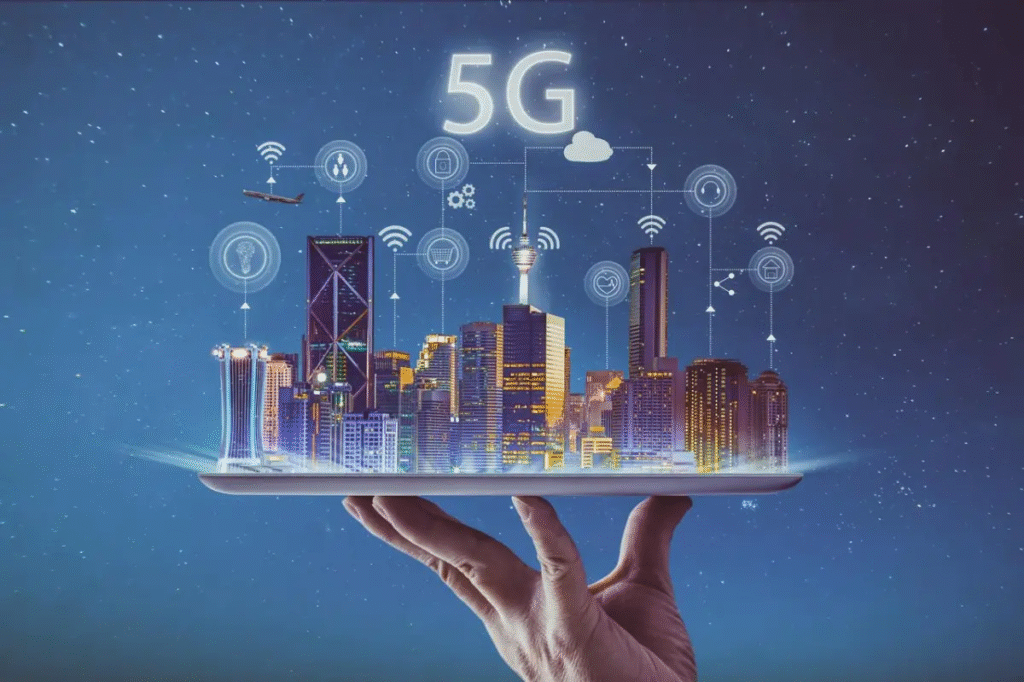
The continued expansion of 5G networks is creating new possibilities for businesses and consumers. Faster internet speeds and lower latency are improving mobile experiences, enabling real-time communication, and supporting advanced technologies such as augmented reality and autonomous systems.
Industries including healthcare, manufacturing, logistics, and entertainment are benefiting from improved connectivity. As 5G coverage becomes more widespread, its impact on innovation and digital transformation will continue to grow.
Data Analytics Drives Better Decision-Making
Organizations are generating more data than ever before. The ability to collect, analyze, and interpret this information has become a significant competitive advantage.
Advanced analytics platforms help businesses identify trends, understand customer behavior, and make informed decisions. AI-powered analytics tools can process large amounts of information quickly, providing valuable insights that support strategic planning and business growth.
The Future of Remote and Hybrid Work
Technology continues to reshape how people work. Remote and hybrid work models are becoming a permanent part of many organizations, driving demand for collaboration platforms, project management tools, and virtual communication solutions.
Businesses are investing in technologies that support flexible work environments while maintaining productivity and employee engagement. This trend is expected to continue as organizations seek to attract talent and adapt to changing workforce expectations.
FAQs
1. What is the biggest technology trend in 2026?
Artificial Intelligence (AI) is considered one of the biggest technology trends in 2026 due to its impact on automation, productivity, content creation, and business decision-making.
2. How is AI changing businesses?
AI helps businesses automate tasks, analyze data, improve customer service, personalize experiences, and increase overall operational efficiency.
3. Why is cybersecurity important in 2026?
As digital technologies become more widespread, cyber threats are increasing. Strong cybersecurity measures help protect sensitive data and maintain business continuity.
4. What role does cloud computing play in modern business?
Cloud computing provides flexible access to data, applications, and collaboration tools, supporting remote work and reducing infrastructure costs.
5. What technologies will shape the future?
Key technologies shaping the future include AI, automation, cloud computing, IoT, 5G connectivity, data analytics, cybersecurity, and sustainable technology solutions.