
The Indian rupee plays an important role in the country’s economy. Its value influences international trade, overseas travel, imported products, foreign investments, and many other financial activities.
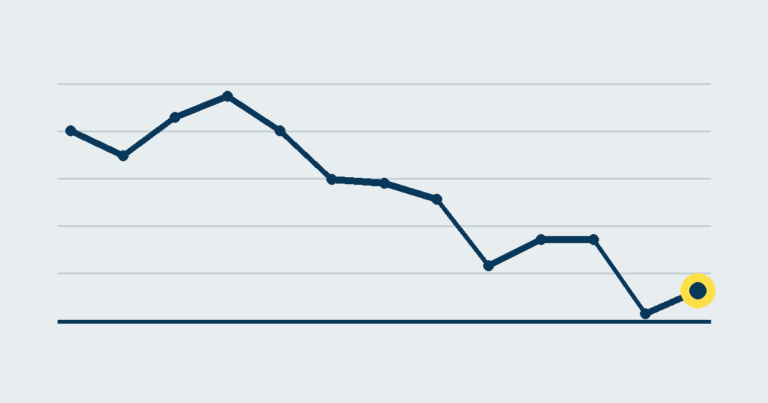
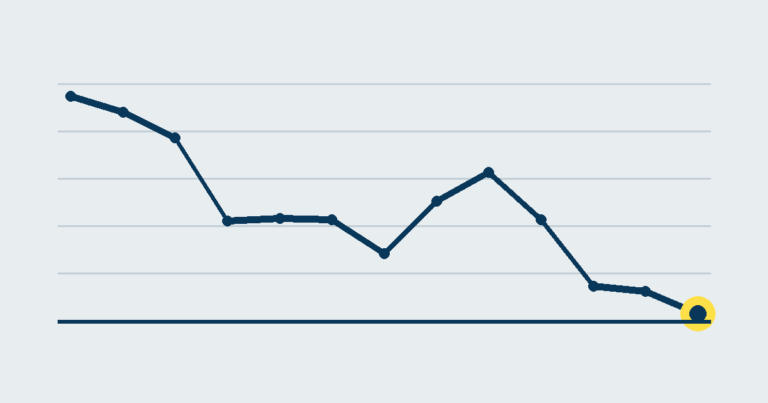
Currency exchange rates are constantly changing. The rupee may strengthen or weaken against currencies such as the US dollar, British pound, and euro depending on several economic and market factors.
For individuals and businesses, understanding these movements can make financial planning easier. Whether you are preparing for an international trip, purchasing products from overseas, receiving money from abroad, or following economic news, keeping an eye on the rupee can provide useful insights.
Rupee Watch is a helpful concept for following currency movements and understanding the financial developments behind them.
What Is the Indian Rupee?

The Indian rupee, represented by the symbol ₹ and the currency code INR, is India’s official currency.
It is used for everyday transactions, including shopping, paying bills, receiving salaries, saving money, and conducting business.
The rupee also participates in the international currency market, where it is exchanged against other currencies.
What Is an Exchange Rate?
An exchange rate tells you how much one currency is worth in terms of another.
For example, an exchange rate between the Indian rupee and the US dollar indicates how many rupees are required to exchange for one US dollar.
Exchange rates can change throughout the trading day because currencies are influenced by supply, demand, economic conditions, and market expectations.
Why Does the Rupee Change in Value?
Currency movements are influenced by several factors. Understanding these factors can help readers interpret financial news more clearly.
1. Demand for Foreign Currency
When businesses, travellers, or investors need foreign currency, demand for that currency may increase.
For example, Indian companies importing goods may need US dollars to pay international suppliers. Higher demand for dollars can influence the rupee-dollar exchange rate.
2. Inflation and Economic Conditions
Inflation affects the purchasing power of money. Differences in inflation between countries can influence currency values over time.
Economic growth, employment, consumer demand, and business activity can also affect how investors view a country’s currency.
3. Interest Rates
Interest rates influence borrowing, saving, and investment decisions.
When interest rates change, investors may reconsider where to place their money. These movements can affect demand for currencies and influence exchange rates.
4. International Trade
India imports and exports a wide range of products, including energy, technology, machinery, textiles, and agricultural goods.
Changes in import and export activity can influence the demand for foreign currency and affect the rupee’s movement.
5. Global Market Events
International developments can affect currency markets. Economic uncertainty, geopolitical events, changes in commodity prices, and global investor sentiment may influence exchange rates.
This is why currency markets often respond to major international news.
How Rupee Movements Affect Everyday Life

Currency changes are not limited to financial institutions or large businesses. They can influence several everyday activities.
| Area | Possible Impact of Currency Changes |
|---|---|
| International Travel | Foreign trips may become more or less expensive |
| Imported Products | Prices of some imported goods may change |
| Education Abroad | Tuition and living costs may be affected |
| International Shopping | Overseas purchases may cost differently |
| Export Businesses | Revenue from foreign sales may change |
| Remittances | Money received from abroad may convert differently |
The actual impact depends on the exchange rate, transaction fees, pricing arrangements, and the timing of payments.
Why Should You Follow Rupee Watch?
Following currency news can help you understand the broader economy and make informed decisions.
For Travellers
If you are planning an international holiday, exchange rates can affect your travel budget.
Monitor currency movements before exchanging money, compare authorised exchange providers, and check their service fees.
For Students Studying Abroad
Students paying overseas tuition or living expenses may be affected by changes in exchange rates.
Planning payments in advance and understanding the available transfer options can help with budgeting.
For Businesses
Companies involved in importing or exporting may need to monitor currency changes closely.
Exchange rate movements can influence costs, revenue, and pricing decisions. Businesses may use professional financial guidance to manage currency-related risks.
For Online Shoppers
When purchasing products from international websites, the final amount may depend on the currency conversion rate and payment provider charges.
Always review the total cost before completing a transaction.
How to Understand Currency News
Currency headlines can sometimes sound confusing. A simple understanding of common financial terms can make them easier to follow.
Currency Appreciation: When a currency increases in value relative to another currency.
Currency Depreciation: When a currency decreases in value relative to another currency.
Exchange Rate: The price of one currency expressed in another currency.
Foreign Exchange Market: A global market where currencies are exchanged.
Volatility: The degree to which a currency’s value changes over a period.
These terms are useful when reading financial reports or following rupee-related updates.
Tips for Following Rupee and Currency Updates
You do not need to check currency rates every hour to understand the market. A simple routine can help you stay informed.
- Follow reliable financial news sources.
- Check exchange rates when planning international payments.
- Compare currency conversion fees.
- Understand the difference between market rates and customer exchange rates.
- Avoid making financial decisions based only on a single headline.
- Look at broader economic developments rather than focusing on daily fluctuations.
For official information and financial awareness, readers can refer to resources from the Reserve Bank of India and other recognised financial institutions.
The Indian rupee is an important part of the country’s financial system. Its movements reflect a combination of economic conditions, international trade, investor activity, and global developments.
Understanding currency changes can help travellers, students, businesses, and everyday consumers make more informed financial plans.
Rupee Watch is not simply about checking whether the rupee is rising or falling. It is about understanding the reasons behind currency movements and recognising how they may affect real-life financial decisions.
By following reliable updates and learning basic currency concepts, readers can develop greater financial awareness and make smarter choices when dealing with international money.
Frequently Asked Questions
1. What does Rupee Watch mean?
Rupee Watch refers to following the Indian rupee’s value, exchange rates, and related currency market developments.
2. What is the currency code of the Indian rupee?
The official currency code of the Indian rupee is INR.
3. Why does the rupee’s value change?
It changes due to factors such as demand for foreign currency, inflation, interest rates, trade activity, and global economic conditions.
4. How can rupee movements affect international travel?
Changes in exchange rates can influence the cost of foreign currency, accommodation, shopping, and other travel expenses.
5. Where can I check reliable rupee-related information?
You can follow recognised financial news sources and official information published by the Reserve Bank of India.
The DemandDeals team
Written and checked by the people who run DemandDeals.