
Digital marketing continues to evolve at a rapid pace, driven by advances in technology, changing consumer behavior, and the growing influence of artificial intelligence. Businesses that stay updated with the latest digital marketing trends are better positioned to reach their target audience, improve customer engagement, and achieve long-term growth.
From AI-powered content creation and voice search optimization to short-form videos and personalized customer experiences, marketers have more opportunities than ever to connect with their audience. Understanding these trends can help businesses create smarter strategies and remain competitive in an increasingly digital world.
In this guide, we’ll explore the top digital marketing trends shaping 2026 and how businesses can use them effectively.
Why Digital Marketing Trends Matter
Consumer preferences and online platforms are constantly changing. Strategies that worked a few years ago may no longer deliver the same results today.
Keeping up with digital marketing trends helps businesses:
- Reach the right audience
- Improve website traffic
- Increase customer engagement
- Boost brand awareness
- Generate more leads
- Improve conversion rates
- Stay ahead of competitors
Businesses that adapt quickly are more likely to achieve sustainable growth.
1. Artificial Intelligence (AI) in Marketing

Artificial intelligence has become one of the biggest drivers of digital marketing innovation.
AI is now used for:
- Content creation assistance
- Customer support chatbots
- Email personalization
- Audience segmentation
- Marketing automation
- Campaign optimization
- Predictive analytics
AI helps marketers save time while improving campaign performance through data-driven insights.
2. Voice Search Optimization

With the growing use of voice assistants and smart devices, more people are searching using natural language.
To optimize for voice search:
- Use conversational keywords.
- Answer common customer questions.
- Improve local SEO.
- Create FAQ sections.
- Focus on mobile-friendly websites.
Voice search optimization can improve visibility for users searching on the go.
3. Short-Form Video Content
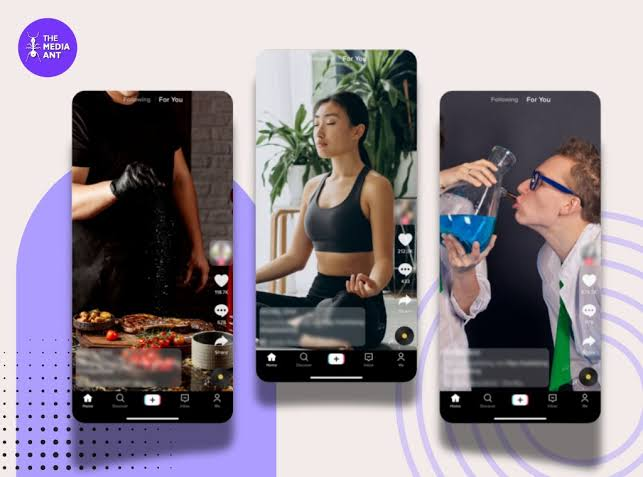
Short videos continue to dominate social media platforms.
Popular formats include:
- Product demonstrations
- Tutorials
- Behind-the-scenes content
- Customer stories
- Educational tips
Engaging videos can increase reach, build trust, and encourage user interaction.
4. Personalized Customer Experiences
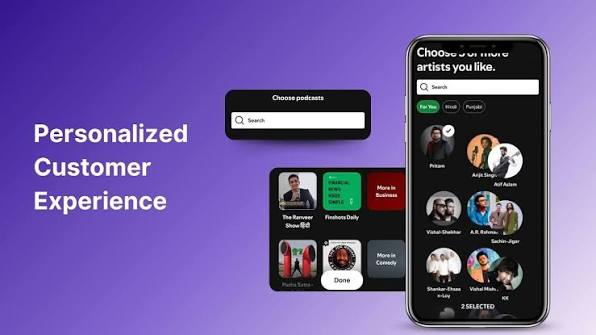
Consumers increasingly expect personalized experiences when interacting with brands.
Businesses can personalize:
- Product recommendations
- Email campaigns
- Website content
- Offers and promotions
- Customer support
Relevant content often leads to higher engagement and customer satisfaction.
5. Search Engine Optimization (SEO)
SEO remains one of the most effective long-term digital marketing strategies.
Key focus areas include:
- High-quality content
- Keyword optimization
- Fast-loading websites
- Mobile responsiveness
- Internal linking
- User experience
- Helpful, people-first content
A strong SEO strategy can drive consistent organic traffic over time.
6. Content Marketing
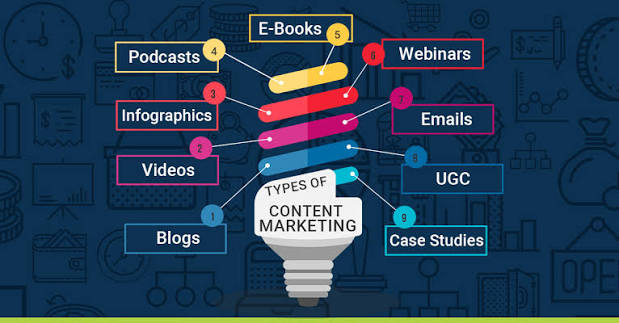
Quality content continues to attract and educate potential customers.
Effective content formats include:
- Blog posts
- Videos
- Infographics
- Podcasts
- Case studies
- Email newsletters
- Downloadable guides
Creating useful content helps build authority and trust with your audience.
7. Social Media Marketing
Social media platforms remain essential for brand visibility and customer engagement.
Successful strategies often include:
- Consistent posting
- Community interaction
- Educational content
- Live streaming
- Influencer collaborations
- User-generated content
Each platform has its own audience, so tailoring content is important.
8. Influencer Marketing

Partnering with trusted creators can help businesses reach highly engaged audiences.
Influencer campaigns work well for:
- Product launches
- Brand awareness
- Reviews
- Tutorials
- Lifestyle content
Choosing influencers whose audience aligns with your brand is key to success.
9. Marketing Automation
Automation helps businesses manage repetitive tasks efficiently.
Common automated workflows include:
- Welcome email sequences
- Lead nurturing
- Customer follow-ups
- Appointment reminders
- Social media scheduling
Automation improves consistency while saving time.
10. Data Privacy and Trust

Consumers are becoming more aware of how their personal information is collected and used.
Businesses should:
- Be transparent about data collection.
- Obtain appropriate consent where required.
- Protect customer information.
- Respect privacy preferences.
Building trust can strengthen long-term customer relationships.
Best Practices for Digital Marketing in 2026
To stay competitive:
- Focus on creating valuable content.
- Optimize your website for mobile users.
- Monitor analytics and performance regularly.
- Test and refine marketing campaigns.
- Build authentic relationships with your audience.
- Stay updated on industry changes.
- Invest in continuous learning and skill development.
A flexible approach allows businesses to adapt as digital marketing continues to evolve.
The Future of Digital Marketing
The future of digital marketing will continue to be shaped by technology and changing customer expectations.
Emerging areas include:
- Generative AI tools
- Predictive analytics
- Interactive content
- Augmented reality (AR) experiences
- Conversational marketing
- First-party data strategies
Businesses that embrace innovation while maintaining a customer-focused approach will be better prepared for future changes.
Digital marketing in 2026 is about combining technology, creativity, and customer understanding. Trends such as AI, voice search, personalized experiences, SEO, short-form video, and automation are helping businesses connect with audiences more effectively than ever before.
Rather than following every trend, focus on the strategies that align with your business goals and your audience’s needs. By staying informed, measuring results, and adapting over time, you can build a digital marketing strategy that supports sustainable growth and long-term success.
Frequently Asked Questions
1. What are the biggest digital marketing trends in 2026?
Some of the leading trends include AI-powered marketing, voice search optimization, short-form video content, personalized customer experiences, SEO, marketing automation, and influencer marketing.
2. Why is SEO still important?
SEO helps improve your website’s visibility in search engines, attract organic traffic, and support long-term online growth.
3. How does AI help digital marketing?
AI can assist with content creation, audience analysis, campaign optimization, automation, customer support, and personalized marketing.
4. What type of content performs best in 2026?
A mix of helpful blog posts, short-form videos, infographics, podcasts, case studies, and educational content continues to perform well.
5. How can businesses stay updated with digital marketing trends?
Follow trusted industry resources, monitor analytics, test new strategies, attend webinars, and continuously learn about emerging technologies and consumer behavior.